What Is Proxy Betting?
It is a type of betting in which instead of wager being placed directly by the real bettor, it is placed through another person, account, device, or access point. It means that there is a chance that the person behind the betting decision does not fully match the account, location or traffic source.
This is a grey area in iGaming which is not a good thing because operators want clean player checks, affiliate networks want fair traffic quality, affiliate managers want correct payouts and publishers want the brands they promote to be trustable.
Proxy betting affects tracking, compliance, player value, campaign quality, partner trust, everything.
What Are the Common Types of Proxy Betting?
Proxy betting can mean that a person is placing a wager for someone else, or it can turn out to be an account, device, or location setup that hides who really is behind the bet being placed.
When the traffic source, account details, device use, and location history do not sit well together, doing a double check might be a good idea.
Live Casino Proxy Betting
In this type of betting, one person is sitting at a real table and placing wagers for a remote player. The remote player watches the game through a live feed and sends betting instructions through a phone or another communication channel.
This format is more common in casino environments because this is mostly where live table play has a formal setup. But still it needs strong controls because the person placing the bet and the person making the decision are not in the same place.
Sportsbook Proxy Betting
Sportsbook proxy betting is when a wager is placed on behalf of another person. It can involve account access from a place that is not the bettor’s real location.
The thing is, sportsbooks mostly depend on location checks, age rules, account ownership, and market access rules and if one person uses another account or asks someone else to place bets for them the sportsbook may not get all the real information of the actual bettor. This can have an effect on campaign quality too.
Account Based Proxy Betting
Account based proxy betting is a user accessing or using an account that does not fully belong to them.
This can include shared accounts, borrowed accounts and accounts created using someone else’s details.
This can be considered similar to bonus abuse, multi accounting, and risky player behaviour. Every shared device isn’t necessarily suspicious, of course because families, friends, and office networks can create overlap. But repeated overlap across deposits, logins, and campaign sources needs a thorough review.
This is why affiliate postback testing is important. If registration, deposit, and player activity events are mapped correctly, separating normal activity from suspicious activity can become very simple.
Location Based Proxy Betting
A bettor uses a proxy server, VPN, remote access software, or another person to make it appear that a wager is placed from a different location.
This mostly is used when players attempt to access betting platforms that are unavailable in their actual jurisdiction. Since many operators are required to verify a player’s physical location before accepting wagers, inaccurate location data can create compliance and fraud risks.
Operators review geolocation signals, IP addresses, device information, and login patterns to detect suspicious activity. Sudden location changes, mismatched device data, or attempts to mask a user’s actual location may require additional verification.
Accurate geolocation controls help operators maintain regulatory compliance, prevent unauthorized access, and reduce proxy betting risks.
How Does Proxy Betting Work?
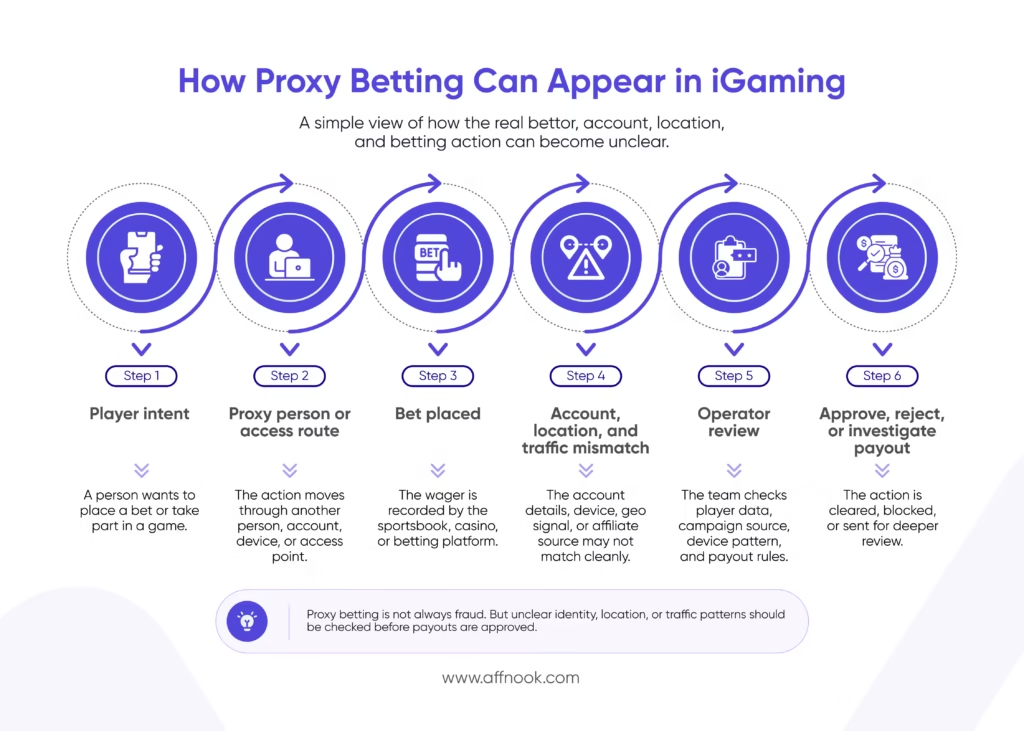
In casino proxy betting, the player can take part in a live table game without being physically present at the table. In sportsbook proxy betting, one person can place a wager for another person or a user can route access using tools that make it hard to confirm the real location.
When every click, registration, first time deposit, payout, etc connects back to a campaign, then the operators can properly view and assess the quality of incoming traffic.
Proxy betting can show up in daily iGaming operations, let’s see how:
– Match player location with account data: Check if the account country, IP location, device signal, and payment behaviour fit together. One mismatch can be ignored but repetitions are clear warning signs.
– Review affiliate traffic patterns: Look at which affiliate sent the player, what campaign link was used, whether the traffic behaves like real users, because noticing a random spike in deposits from one region when the click source is pointed elsewhere is a red flag.
– Compare payout rules with player actions: Proxy betting can affect CPA, RevShare, Hybrid, and first time deposit campaigns. If the wrong player action gets credited, the operator might have to pay for traffic that was not valid. This is why postback rules are crucial for affiliate programs.
– Watch repeat device behaviour: Shared devices, repeated logins, and unusual session timing can help teams separate normal multi-device usage from risky access patterns. It is not always fraud, but reviewing is still a good idea.
Things To Remember
Proxy betting is not always the same as fraud.
Sometimes it is a formal live casino setup, or a risky user behaviour or a traffic quality issue that appears through affiliate campaigns.
Proxy betting will keep getting attention as iGaming markets become more controlled, the safer approach is better tracking, partner checks, and campaign data from the start.
Frequently Asked Questions
1. Is proxy betting always illegal?
Proxy betting is not always treated the same way in every market. In some cases, proxy gaming can be part of a licensed live casino setup, where rules and testing controls are clearly defined. In other cases, proxy betting may break platform terms, location rules, account ownership rules, or local gambling laws. The safest way to view it is simple. If the real bettor is hidden, the risk goes up.
2. Why do betting platforms block proxy betting?
Betting platforms block risky proxy betting because they need to know who is betting, where the person is based, and whether the account is being used correctly. This affects age checks, KYC, bonus rules, market access, and payout approval. Proxy betting can make a normal account look clean while the actual betting decision comes from somewhere else. That creates problems for both compliance and player trust.
3. How does proxy betting affect affiliate payouts?
Proxy betting can affect affiliate payouts when the player action does not match the traffic source or campaign rule. For example, an affiliate may be credited for a deposit, but the account may later show location mismatch, shared device use, or suspicious payment behaviour. In that case, the operator may hold, reject, or review the payout. This is why affiliate managers need clear event tracking before approving commissions.
4. What is the difference between proxy betting and using a VPN?
Proxy betting usually means a wager is placed through another person, account, or access route. A VPN mainly changes how the user’s internet location appears. Both can create location or identity confusion, but they are not the same. A VPN may be used for privacy, while proxy betting often involves someone or something standing between the bettor and the betting action. Platforms usually review both when signals look risky.