What if two people open the same mobile gambling app at the same time — but their experience looks completely different?
Imagine the Premier League season kicks off, and thousands of bettors jump in to place their wagers. One is in London, another is in Brazil. They’re using the same app, same match, same moment. But what they see isn’t the same at all.
The user in London sees odds in GBP, pays through UK-friendly options, and uses the interface in British English. On the other hand, the bettor in Brazil views everything in Portuguese, uses local payment methods like Pix or Boleto, and places bets in BRL.
That’s the power of geo-targeted localization. And today, it’s not just a good feature — it’s a necessity. Because rules, payment habits, and user expectations vary from country to country, the mobile gambling apps that win are the ones that automatically adapt, creating a smoother, safer, and more personalized experience.
According to a recent industry report, the global online gambling market was valued at around USD 78.66 billion in 2024. The report projects this figure to climb to USD 153.57 billion by 2030, thanks largely to mobile adoption and global expansion.
In this article, we’ll explore why geo-targeted features have become essential for mobile gambling apps — not only for staying compliant in regulated markets, but also for boosting conversions and improving user satisfaction.
What Are Mobile Gambling Apps?
Mobile gambling apps are smartphone-based applications that allow users to place real-money bets on sports, casino games, poker, fantasy contests, lotteries, and other online betting activities. These apps provide instant access to betting from anywhere, using secure payment methods, live odds, and personalized experiences.
They are now the primary choice for bettors worldwide because they offer convenience, faster gameplay, and real-time live betting compared to desktop or physical casinos.
Key characteristics of mobile gambling apps:
- Accessible anytime and anywhere
- Support multiple payment methods and currencies
- Include live betting and real-time odds updates
- Built with security, compliance, and responsible gaming controls
- Offer localized content depending on the user’s location
What are the Different Types of Mobile Gambling Apps?
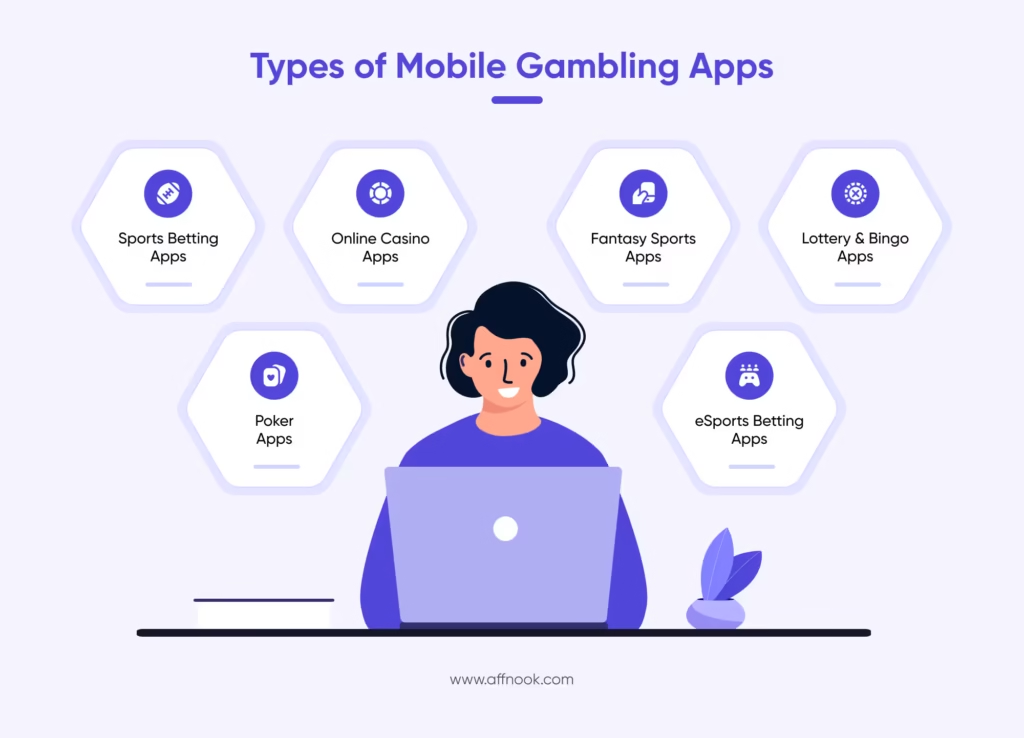
Mobile gambling apps are available in different types based on how users like to play and bet. Each type is made for various kinds of users, like sports lovers, casino players, or fantasy sports fans. Knowing these categories helps brands and operators create better features and understand what players want.
1. Sports Betting Apps
These apps allow users to place bets on live and upcoming sports events, including cricket, football, basketball, tennis, and more. They typically offer features such as live odds, match statistics, in-play betting, cash-out options, and real-time score updates.
2. Online Casino Apps
Casino apps replicate the traditional casino experience on mobile devices. They include games like slots, blackjack, roulette, baccarat, poker, and live dealer games. Players can enjoy interactive gameplay, bonus features, and real-time streaming environments.
3. Poker Apps
Focused entirely on poker gameplay, these apps allow users to join poker rooms, participate in tournaments, and compete with other players globally. They normally include features like multiplayer modes, digital chips, ranking systems, and private lobbies.
4. Fantasy Sports Apps
Fantasy sports apps let users build virtual teams based on real athletes and win based on real-match performances. Popular formats include cricket, football, baseball, and basketball fantasy leagues. Users earn points depending on their chosen players’ performance.
5. eSports Betting Apps
These apps allow wagering on competitive gaming tournaments for titles like PUBG, Counter-Strike, League of Legends, DOTA 2, and Valorant. They include live streaming, real-time odds, match predictions, and community play.
6. Lottery & Bingo Apps
These apps provide digital versions of number-based games like lottery draws, bingo, scratch cards, and quick-win games. They are simple, fast-paced, and accessible to a wide range of players.
Why Geo-Targeting Matters for Mobile Gambling Apps
Geo-targeting has become a key factor in the success of mobile gambling apps because the iGaming industry does not operate under one rulebook. Every country, and in some cases, individual states, has different rules and regulations, tax laws, payment systems, and responsible gambling requirements. Without adapting to these local differences, operators cannot serve players legally or effectively.
1. Staying Compliant With Local Gambling Laws
Online gambling regulations vary widely across countries and even from state to state. Some regions allow full-scale online casinos, others permit only sports betting, and some ban real-money gaming completely. A universal version of an app simply cannot operate legally everywhere.
Geo-targeting allows operators to:
- Control access based on licensing boundaries (e.g., casino games enabled in New Jersey but disabled in Utah)
- Prevent restricted users or underage audiences from receiving real-money betting ads
- Display region-specific responsible gaming alerts and identity verification requirements
This protects operators from fines, licensing cancellations, and app store removal, while keeping users safe and informed.
2. Increasing User Engagement With Personalization
Geo-targeting helps an app feel local rather than generic. When the experience aligns with the player’s real-world environment, it strengthens trust and makes the platform much easier to adopt.
Examples of geo-based personalization:
- Region-specific welcome bonuses like New Jersey’s exclusive sports offer
- Promotions tied to local events such as the EPL in the UK or the Copa America in Brazil
- Payment options local users prefer (UPI in India, PIX in Brazil, PayNearMe in the US)
- Content aligned with local sports leagues or cultural trends
This boosts session time, improves onboarding flow, and turns casual players into loyal customers.
3. Improving Marketing Efficiency and ROI
Instead of spending on broad campaigns with low conversions, geo-targeting helps operators invest resources in locations with the highest growth potential.
Benefits for marketing teams:
- Lower acquisition cost by targeting only eligible regions
- Reduced competition by dominating niche regional markets
- Campaign performance insights based on geography and market behavior
With real-time location-based analytics, brands can spot new opportunities and adjust strategy quickly.
4. Enhancing Security and Preventing Fraud
Geo-targeting not only ensures compliance but also protects both operators and users from fraud. By detecting unusual activity from restricted regions or multiple accounts in prohibited areas, apps can prevent unauthorized access, reduce financial risks, and maintain fair play for all users.
This strengthens trust, reassures players, and supports long-term loyalty while keeping the platform safe and legally compliant.
Key Geo-Targeted Features That Mobile Gambling Apps Should Implement
In regulated markets, mobile gambling apps must do more than just operate—they need to adapt to local laws, user behavior, and cultural preferences. Geo-targeting allows apps to provide a safer, personalized, and high-conversion experience by adjusting features dynamically based on a user’s location. Here are the most important geo-targeted features operators should implement:
1. Geolocation Enforcement (Geofencing)
Legal compliance is the foundation of any regulated gambling operation. Geofencing uses device GPS, Wi-Fi triangulation, or native location services (like Apple’s Core Location or Google Play Services) to determine a user’s physical location.
How it works:
- If a player is in a restricted jurisdiction, real-money betting features are automatically disabled.
- The app can display a clear notification explaining why certain features are inaccessible.
- Advanced setups can even prevent deposits or account creation if the user is outside a licensed area.
Global Examples:
- US: Online casino games are allowed in states like New Jersey, Pennsylvania, and Michigan, but blocked in Texas and Utah.
- UK: Operators must enforce access based on UK Gambling Commission licensing requirements.
- Germany: Users outside licensed zones cannot access online betting platforms.
Benefit: Protects operators from regulatory fines, license revocations, and app store removal, while giving users a safe and lawful experience.
2. Localized Content and Odds
Players are more likely to engage and convert when they see content tailored to their preferences and culture. Geo-targeting allows apps to dynamically adjust games, sports, leagues, and odds formats to match local habits.
Examples:
- US: NFL, NBA, and NCAA sports dominate the interface; fractional and American odds are commonly used.
- UK: Premier League football, horse racing, and local darts or tennis events are highlighted.
- Australia: AFL and NRL betting options appear first; odds in decimal format are standard.
Additional Insight: Some apps even reorder popular games or slots based on regional trends, increasing the likelihood of engagement and repeat usage.
Benefit: Personalized content reduces cognitive friction, increases session duration, and significantly boosts conversion rates.
3. Region-Specific Payment Options
Payment friction is a major reason users abandon apps during registration or deposits. Geo-targeting allows apps to show only the payment methods supported and preferred in a user’s region.
Examples:
- Brazil: PIX, Boleto Bancário, and local debit cards
- UK: Visa, Mastercard, PayPal, Skrill, and ecoPayz
- US: ACH transfers, Play+, PayNearMe
- Canada: Interac e-Transfers and credit/debit cards
Affnook Advantage: Affnook helps operators integrate multiple regional payment gateways while tracking affiliate campaigns and real-time commission payouts. This ensures smooth transactions, minimizes failed deposits, and provides a trustworthy user experience.
Benefit: Reduces abandonment rates, improves deposit success, and builds long-term user trust.
4. Localized Promotions and Bonuses
Geo-targeting enables operators to deliver promotions that are relevant, timely, and legally compliant for each market.
Examples:
- New Jersey, US: State-exclusive welcome bonuses for sports bettors.
- Brazil: Carnival or World Cup-themed free bets and cashback offers.
- UK: Premier League or Cheltenham Festival betting promotions.
- India: IPL or cricket-related promotions tailored for regional cricket enthusiasts.
Additional Insight: Geo-targeted campaigns can also be timed for local holidays, events, or cultural festivals, increasing relevance and player response.
Benefit: Personalized offers encourage registration, boost deposits, improve retention, and increase overall engagement while remaining compliant with local marketing laws.
5. Compliance With Local Regulations
Beyond geolocation, apps must adhere to the specific gambling rules of each region, particularly around responsible gaming.
Key Features Include:
- Age Verification (KYC): Confirming the user’s legal age and identity before account creation.
- Deposit and Loss Limits: Setting restrictions according to regional guidelines.
- Cooling-Off Periods: Mandatory breaks after extended play or reaching loss thresholds.
- Self-Exclusion Programs: Integration with services like GAMSTOP (UK) or Spelpaus (Sweden) to allow users to pause or close accounts.
Benefit: Ensures operators remain legally compliant, protects players from harm, and builds trust with users by demonstrating ethical practices.
6. In-Stadium or Event-Based Betting Experiences
Advanced geofencing can detect when users are physically present at a stadium or event, unlocking unique, interactive features.
Examples:
- Offering live odds for the ongoing match or event.
- Sending push notifications for event-specific challenges or mini-games.
- Allowing users to participate in leaderboards or promotions exclusive to in-venue attendees.
Benefit: Encourages real-time engagement, enhances the excitement of the event, and drives on-the-spot betting activity.
7. Localized Customer Support and Language Options
Players expect support in their native language, with local contact options and guidance during their region’s business hours.
Examples:
- Live chat, email, and helpline numbers in the local language.
- FAQs, tutorials, and help center articles adapted to regional regulations.
- Support for local currency, payments, and transaction-related queries.
Benefit: Reduces complaints, strengthens trust, improves retention, and makes users feel valued and understood.
8. Real-Time Geo-Based Analytics and Insights
Geo-targeting is a powerful tool for operators to understand user behavior and trends across different regions. By analyzing location-specific data, apps can optimize both user experience and marketing strategies.
Examples:
- Tracking deposits, favorite games, and betting activity per country, state, or city.
- Measuring which promotions or bonuses perform best in specific markets.
- Identifying high-potential regions for targeted campaigns or localized product launches.
Platforms like Affnook make this process easier by providing real-time insights into geo-based traffic and affiliate performance. Operators can see which locations drive quality users, monitor campaign results by region, and adjust marketing or promotions accordingly—all in a single dashboard.
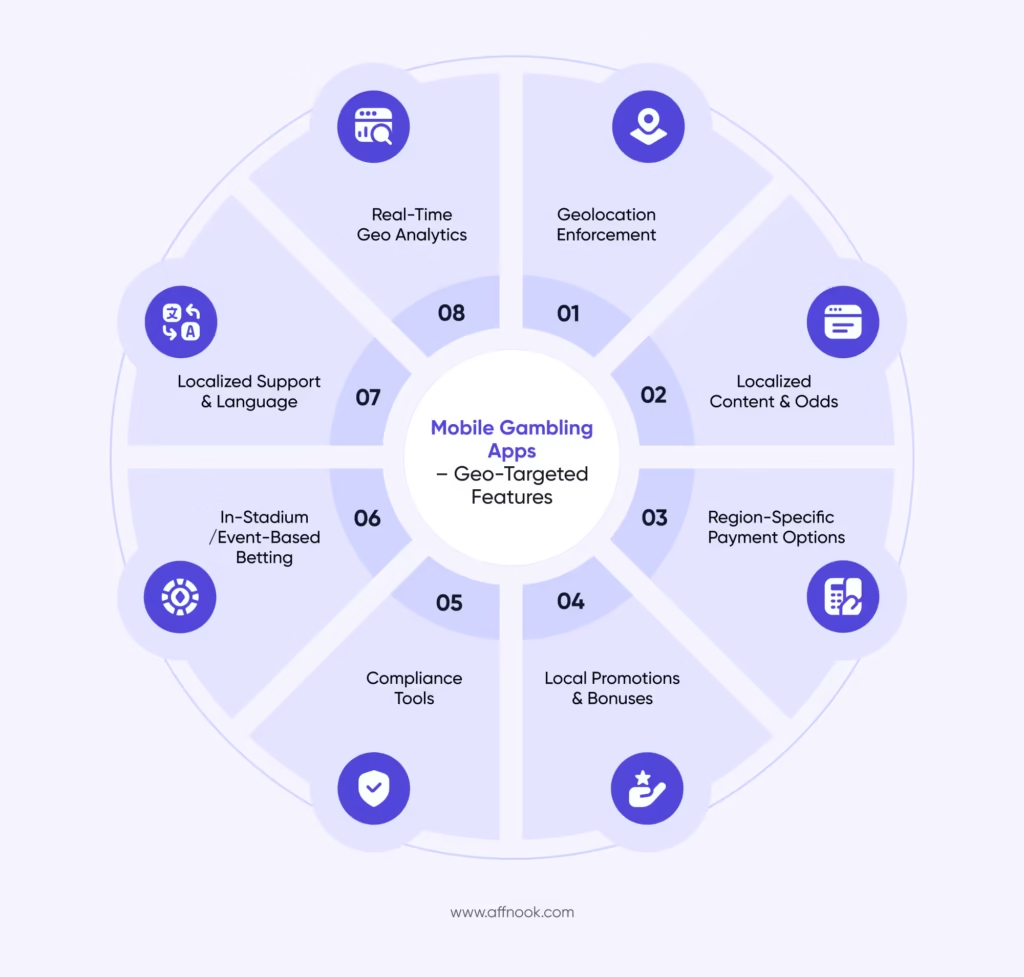
Why Mobile Gambling Apps Need Geo-Targeting for Stronger Compliance and Higher Conversions
1. Compliance Without Overhead
Geo-targeting lets the app automatically adjust its rules and interface depending on the user’s location. Operators don’t need to create separate apps for each country or state. This saves time, reduces development costs, and ensures the app always follows local gambling laws.
2. Better Conversion Rates
Players are more likely to sign up, deposit, and play if the app feels familiar and easy to use. Geo-targeting shows content in the user’s language, displays local odds formats, and provides payment methods they trust. This makes the betting process smoother, reduces drop-offs, and increases the number of users who complete their first bet.
3. Reduced Regulatory Risk
Geo-fencing and region-specific compliance rules prevent users from restricted areas from accessing real-money gambling. This protects operators from fines, legal issues, and potential loss of license, while keeping players safe and ensuring fair play.
4. Scalable Expansion
When expanding to a new market, mobile gambling apps don’t need to be rebuilt from scratch. Operators can simply add localization layers such as language support, regional payment methods, and compliance rules. This approach makes global growth faster, easier, and more cost-effective.
5. Affiliate and Marketing Safety
Affiliates drive traffic from regions where the operator is legally allowed to offer services. Geo-targeting ensures that referrals come from eligible areas, and operators can track and pay commissions accurately. This reduces the risk of penalties or illegal marketing practices.
6. Better Player Retention and Engagement
Players feel valued when the app speaks their language, shows local promotions, and follows regional responsible gaming rules. Geo-targeting creates a more personal experience, increasing trust, encouraging repeated play, and boosting long-term engagement.
Conclusion
In 2025 and beyond, mobile gambling apps must do more than just offer games. They need to think global and act local.
Geo-targeted features — localization of language, currency, payment methods, compliance flows, and responsible gaming tools — are not optional extras. They are necessary elements for any operator or affiliate that wants to succeed across regulated markets.
With the global online gambling market already worth tens of billions and growing fast, building a flexible, region-aware mobile gambling app is the way forward. A well-built geo-targeted app helps operators scale across geographies, stay compliant, attract the right players, and offer experiences that feel truly local.
Help Section
1. What is geo-targeting in mobile gambling apps?
Geo-targeting in mobile gambling apps refers to customizing the app experience based on the user’s location. This includes language, currency, odds format, payment methods, promotions, and compliance flows for each region.
2. How does geo-targeting improve compliance in mobile gambling apps?
By detecting a user’s location, mobile gambling apps can prevent access from restricted regions, enforce local regulations, and display responsible gaming prompts, reducing legal risks and fines.
3. Can geo-targeting increase conversion rates in mobile gambling apps?
Yes. When users see a familiar interface, local language, preferred payment methods, and region-specific promotions, they are more likely to sign up, deposit, and play — boosting conversions.
4. How do geo-targeted features help operators expand mobile gambling apps globally?
Operators can enter new markets quickly by adding localization features like regional payment options, language support, and compliance rules instead of building a new app from scratch.
5. How does geo-targeting benefit affiliates in mobile gambling apps?
Affiliates can target users only from licensed jurisdictions. This ensures legal referrals, accurate tracking of conversions, and correct commission payouts, making marketing safer and more efficient.