You launch a campaign in your Casino Affiliate Programs, and everything looks perfect at first. Traffic is increasing, signups are coming in, and reports show growth. But when you dig deeper, the numbers don’t add up. Deposits are low, user activity looks suspicious, and revenue starts dropping.
This is a common situation in iGaming. Many operators focus only on growth and ignore compliance until problems appear. A successful Casino Affiliate Program is not just about getting more users. It is about getting the right users while staying compliant with regulations.
The importance of compliance is growing alongside the industry itself. The global online gambling market was valued at USD 78.66 billion in 2024 and is projected to reach USD 153.57 billion by 2030. As competition increases, operators are under more pressure to maintain transparent, secure, and regulation-friendly affiliate operations.
In this guide, you will learn how to protect your business from fraud, avoid regulatory risks, and build a sustainable affiliate program.
What Is a Casino Affiliate Program
A Casino Affiliate Program is a partnership where affiliates promote an online casino and earn commissions for bringing in players.
Affiliates use different channels such as SEO websites, paid ads, social media, and email campaigns to attract users. When a player signs up and performs an action like depositing money, the affiliate earns a commission.
This model is popular because it is performance-based. Operators only pay for results, and affiliates earn based on their traffic quality.
However, because money is involved, this model also attracts fraud and low-quality traffic. That is why compliance becomes essential.
What Is Casino Affiliate Program Compliance
Casino Affiliate Program compliance means ensuring that all affiliate activities follow legal, ethical, and operational rules.
It includes:
- Following advertising regulations
- Preventing fraud
- Ensuring proper tracking
- Protecting user data
In simple terms, compliance ensures that your Casino Affiliate Program is safe, transparent, and reliable.
Without compliance, even high-performing campaigns can become risky and unsustainable.
Why Compliance Matters in a Casino Affiliate Program
Compliance in a casino affiliate program is often misunderstood as just following rules. In reality, it is a core business function that directly shapes profitability, scalability, and brand reputation. Let’s break it down in a way that actually connects with how these programs operate day to day.
1. Financial Protection
At its core, compliance protects your money.
In affiliate-driven models, you are constantly paying for traffic, clicks, and conversions. But not all of that traffic is real or valuable. Without proper compliance checks, you risk paying commissions on:
- Fake registrations
- Bot-driven clicks
- Bonus abuse
- Duplicate or low-intent users
This means your budget gets consumed without generating actual revenue.
A compliant system ensures that:
- Only verified traffic gets rewarded
- Suspicious patterns are flagged early
- Your payouts align with real user value
In simple terms, compliance keeps your ROI intact and prevents “invisible losses” that most programs don’t notice until it’s too late.
2. Legal Safety
The iGaming industry is heavily regulated, and for good reason. Different regions have strict rules around advertising, data handling, and player protection.
If your casino affiliate program is not compliant, you are exposed to risks like:
- Heavy fines from regulators
- License suspension
- Complete shutdown of operations in certain markets
For example, promoting gambling to restricted audiences or failing to disclose affiliate relationships can quickly put you in legal trouble.
Compliance helps you:
- Stay aligned with regional laws
- Maintain your operating licenses
- Avoid costly legal battles
It is not just about avoiding punishment. It is about ensuring your business can continue to operate without disruption.
3. Brand Trust
Trust is everything in affiliate marketing, especially in iGaming.
Players are becoming more aware. Affiliates are more selective. No one wants to be associated with a platform that feels shady or unreliable.
A compliant casino affiliate program builds trust by:
- Ensuring transparent tracking and reporting
- Offering fair commission structures
- Promoting responsible advertising
When affiliates trust your platform, they send better traffic.
When users trust your brand, they stay longer and spend more.
On the other hand, one compliance failure can damage your reputation overnight. And rebuilding trust is far more expensive than maintaining it.
4. Long-Term Growth
Short-term growth in affiliate marketing is easy to fake. You can boost numbers quickly with aggressive promotions or low-quality traffic.
But sustainable growth comes from quality.
A compliant casino affiliate program naturally attracts:
- Serious, high-performing affiliates
- Genuine, high-value players
- Stable and predictable revenue streams
Why? Because experienced affiliates prefer working with platforms that:
- Pay fairly and on time
- Maintain clear rules
- Protect them from fraud and tracking issues
Compliance creates a healthy ecosystem where everyone benefits, not just in the short run but over time.
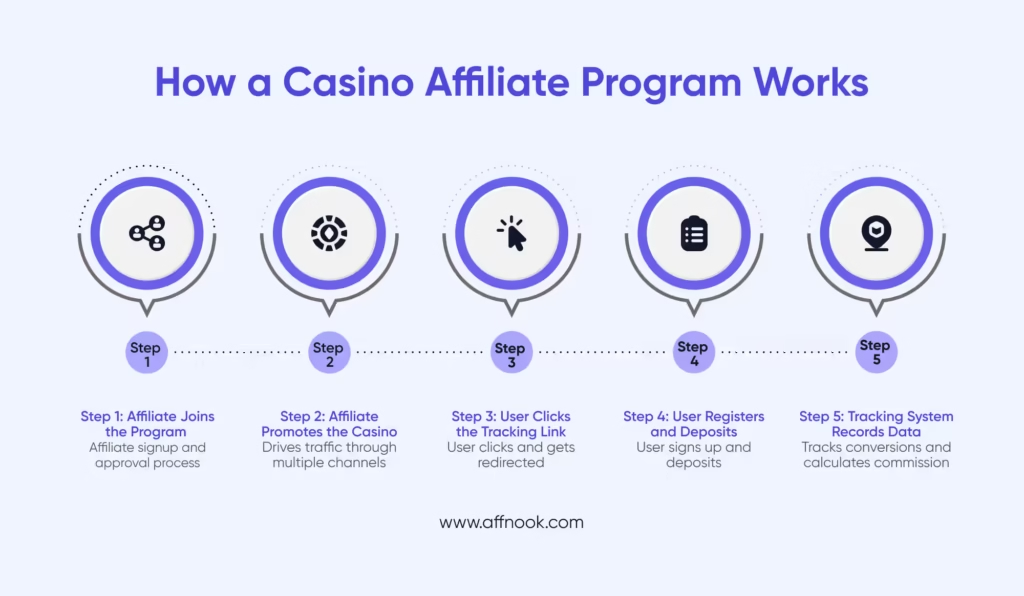
How a Casino Affiliate Program Works (Step-by-Step)
To understand where compliance fits in, you first need to see how a casino affiliate program actually operates behind the scenes. Each step may look simple on the surface, but every stage carries risk if not monitored properly.
1. Affiliate Joins the Program
This is where the relationship begins.
An affiliate signs up for your program and gets approved based on your criteria. Once approved, they receive a unique tracking link that identifies every user they bring in.
Where compliance matters:
- Verifying affiliate identity (KYC checks)
- Screening traffic sources (no blacklisted or restricted channels)
- Clear terms and conditions to prevent misuse
If you skip proper onboarding checks, you risk letting in affiliates who may later send fraudulent or non-compliant traffic.
2. Affiliate Promotes the Casino
Affiliates start driving traffic using different channels, such as:
- Blogs and SEO content
- Paid ads
- Social media
- Email marketing
This is where scale happens, but also where most compliance issues begin.
Where compliance matters:
- Ensuring ads follow regional gambling laws
- Preventing misleading promotions or false claims
- Monitoring for restricted targeting (such as underage audiences)
Uncontrolled promotion can quickly lead to regulatory violations or brand damage.
3. User Clicks the Link
A user clicks the affiliate’s tracking link and gets redirected to the casino platform.
Behind the scenes, tracking systems capture:
- Click data
- Device and location
- Referral source
Where compliance matters:
- Detecting bot traffic or click fraud
- Identifying unusual click patterns (sudden spikes, repeated IPs)
- Filtering invalid or low-quality traffic
This step is critical because fake clicks can inflate performance data and mislead decision-making.
4. User Registers and Deposits
This is the conversion stage, where a user:
- Signs up on the casino platform
- Makes a deposit
- Starts playing
This is where actual revenue potential begins.
Where compliance matters:
- Verifying real users (KYC and anti-fraud checks)
- Preventing bonus abuse and duplicate accounts
- Ensuring responsible gambling practices
Without proper checks here, you may end up paying commissions on users who never generate real value.
5. Tracking System Records Data
The tracking system attributes the conversion to the correct affiliate based on the unique link.
It records:
- Click-to-conversion journey
- Revenue generated
- User activity
Where compliance matters:
- Accurate attribution (no tracking gaps or manipulation)
- Protection against cookie stuffing or hijacking
- Transparent reporting for both affiliates and operators
If tracking is flawed, it leads to disputes, revenue leakage, and loss of trust.
Types of Casino Affiliate Program Models
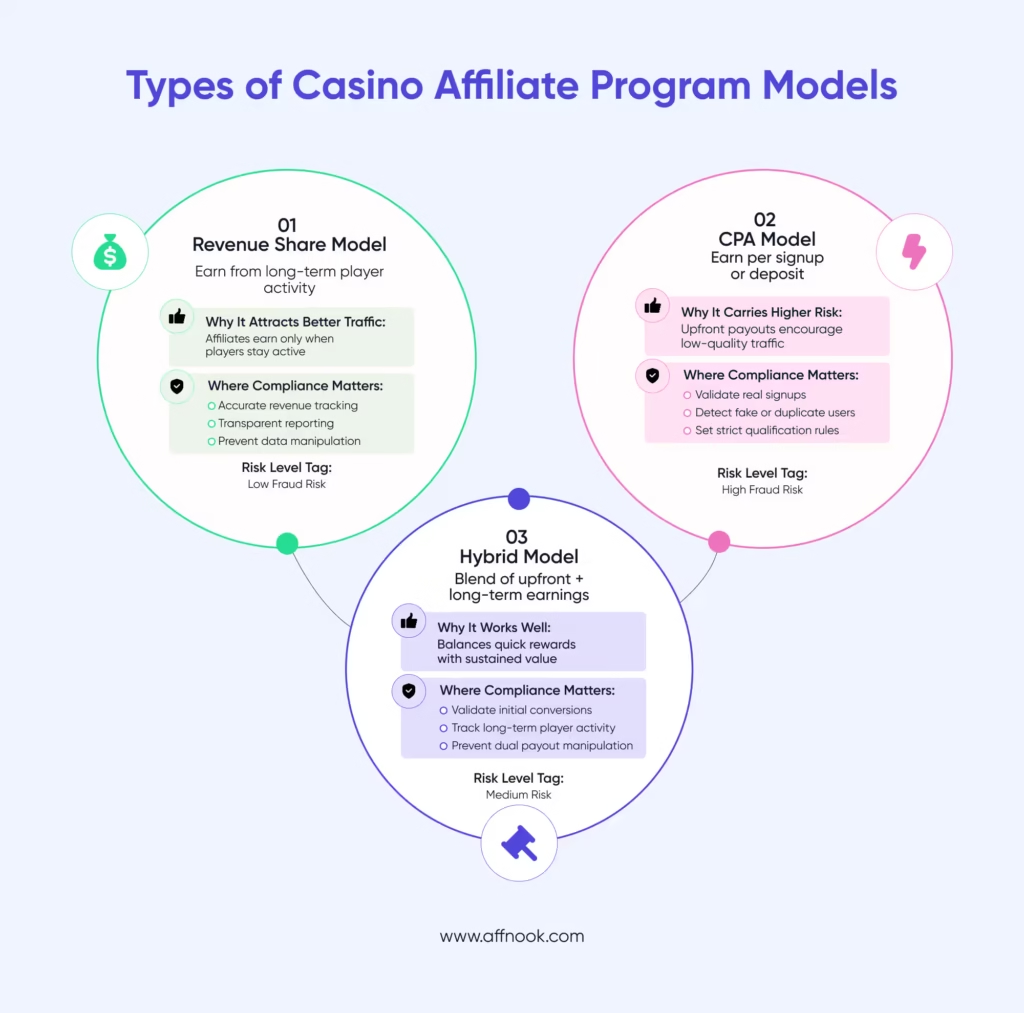
Not all casino affiliate programs operate the same way. The payout model you choose directly influences affiliate behavior, traffic quality, and your exposure to fraud.
Let’s break down the three main models and where compliance becomes critical in each.
1. Revenue Share Model
In this model, affiliates earn a percentage of the revenue generated by the players they refer. In simple terms, they make money when the player continues to play and loses over time.
This naturally shifts the focus toward long-term value instead of quick wins.
Why it attracts better traffic:
Affiliates benefit only when players stay active and engaged. That discourages low-quality or fake users because they won’t generate sustained revenue.
Where compliance matters:
- Ensuring revenue calculations are accurate and transparent
- Preventing manipulation of player activity data
- Monitoring for unethical practices like incentivizing excessive gambling
While this model is generally safer from a fraud perspective, it requires strong tracking and reporting systems to maintain trust with affiliates.
2. CPA (Cost Per Acquisition)
In the CPA model, affiliates earn a fixed payout for every user who signs up and meets a defined action, usually a first deposit.
This model is simple and attractive, especially for affiliates who want quick returns.
Why does it carry a higher risk:
Affiliates get paid upfront, regardless of the player’s long-term value. This can lead to:
- Fake registrations
- Low-quality or incentivized traffic
- Bonus abuse
Where compliance matters:
- Strict validation of signups and deposits
- Identifying duplicate or fake accounts
- Setting clear qualification criteria (minimum deposit, activity thresholds)
Without strong compliance checks, CPA models can quickly drain your budget without delivering real players.
3. Hybrid Model
The hybrid model combines both approaches. Affiliates receive:
- A smaller upfront CPA payout
- Plus a share of long-term revenue
This creates a balance between immediate reward and sustained value.
Why it works well:
Affiliates are incentivized to bring in users who not only convert but also stay active. It aligns both short-term and long-term goals.
Where compliance matters:
- Validating initial conversions (like CPA)
- Ensuring ongoing revenue tracking (like revenue share)
- Preventing double manipulation across both payout streams
Since this model operates on two levels, it requires tighter monitoring to avoid gaps on either side.
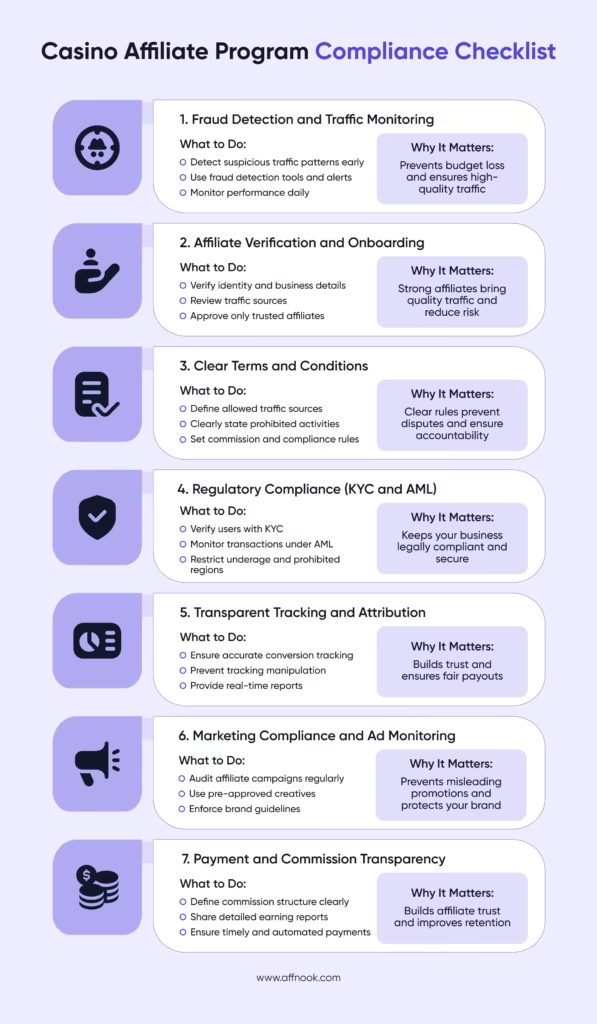
The Complete Casino Affiliate Program Compliance Checklist
If there’s one section that defines whether your casino affiliate program scales or struggles, it’s this one.
Compliance is not a one-time setup. It’s an ongoing system that protects your revenue, filters your traffic, and keeps your operations stable. Let’s walk through each part of the checklist and what it actually means in practice.
1. Fraud Detection and Traffic Monitoring
Fraud is not uncommon in affiliate marketing. It’s constant.
You’ll often see patterns like:
- Sudden spikes in traffic that don’t convert
- Multiple clicks from the same IP
- High registrations with zero engagement
These are early warning signs.
To stay protected:
- Use fraud detection tools that flag abnormal behavior
- Set up automated alerts for unusual traffic patterns
- Monitor performance daily, not weekly
The key here is speed. The longer fraud goes unnoticed, the more budget you lose. Early detection minimizes damage and keeps your data clean.
2. Affiliate Verification and Onboarding
A strong program starts with the right affiliates.
Not every affiliate brings value. Some are purely opportunistic and may exploit loopholes if given the chance.
Before approving any affiliate:
- Verify identity and business details
- Understand their traffic sources
- Review past performance or reputation
This step acts as your first filter. If you allow low-quality affiliates in, no amount of monitoring later will fully fix the problem.
3. Clear Terms and Conditions
Your terms and conditions are not just legal text. They are your control system.
They should clearly define:
- Which traffic sources are allowed
- What activities are strictly prohibited
- How commissions are calculated
- What compliance standards affiliates must follow
When rules are clearly documented:
- Affiliates know exactly what is expected
- You can take action without disputes
- Enforcement becomes straightforward
Vague terms create confusion. Clear terms create accountability.
4. Regulatory Compliance (KYC and AML)
In iGaming, regulation is not optional.
You are expected to:
- Verify user identity through KYC (Know Your Customer)
- Monitor transactions under AML (Anti-Money Laundering) guidelines
- Ensure users meet legal age requirements
- Restrict access from prohibited regions
Ignoring this doesn’t just create risk. It can shut down your business.
Strong regulatory compliance ensures:
- You operate legally in your target markets
- You avoid penalties and license issues
- Your platform is trusted by both users and partners
5. Transparent Tracking and Attribution
If your tracking is inaccurate, everything else breaks.
Affiliates rely on your system to:
- Attribute conversions correctly
- Report performance honestly
- Calculate commissions fairly
Any gaps lead to:
- Disputes
- Loss of trust
- Affiliate churn
To maintain transparency:
- Use advanced tracking systems with real-time data
- Prevent manipulation like cookie stuffing or attribution hijacking
- Provide detailed, accessible reports
6. Marketing Compliance and Ad Monitoring
Affiliates create their own campaigns, and that’s where risk multiplies.
Common issues include:
- Misleading offers
- Fake urgency or exaggerated claims
- Non-compliant ad placements
To control this:
- Regularly audit affiliate campaigns
- Provide pre-approved creatives
- Share clear brand and compliance guidelines
You don’t control what affiliates create, but you are responsible for what they promote under your program.
7. Payment and Commission Transparency
Nothing breaks affiliate relationships faster than unclear or delayed payments.
Affiliates need clarity on:
- How much are they earning
- How it is calculated
- When will they be paid
To maintain trust:
- Define commission structures clearly
- Share detailed reports
- Use automated payment systems to reduce delays
Transparency in payments keeps affiliates motivated and loyal.
Conclusion
A Casino Affiliate Program can drive massive growth, but only when it is built on a strong foundation of compliance. Without the right checks in place, even high-performing campaigns can quickly turn into financial and legal risks.
The key is to shift your mindset. Instead of chasing only traffic and conversions, focus on quality, transparency, and control. Every step, from affiliate onboarding to tracking, payments, and data handling, should be aligned with compliance standards.
When you implement a structured compliance checklist, you do more than just reduce fraud. You improve traffic quality, strengthen affiliate relationships, and create a system that can scale sustainably.
In a competitive iGaming market, compliance is no longer optional. It is what separates short-term growth from long-term success.
A well-managed Casino Affiliate Program is not just profitable, it is predictable, secure, and built to last.
Help Section
A Casino Affiliate Program is a partnership model where affiliates promote an online casino and earn commissions for bringing in players. Affiliates drive traffic through channels like websites, ads, or social media, and get paid based on player actions such as registrations or deposits.
Compliance is important because it protects your business from fraud, legal penalties, and revenue loss. A well-managed Casino Affiliate Program ensures that traffic is genuine, marketing is ethical, and all activities follow regulatory guidelines.
The most common risks include fraudulent traffic, fake registrations, tracking errors, and non-compliant marketing practices. Without proper monitoring, these issues can reduce profitability and damage your brand reputation.
You can detect fraud by monitoring traffic patterns, identifying unusual spikes, tracking user behavior, and using fraud detection tools. Regular audits and real-time reporting also help in identifying suspicious activity early.
To keep your Casino Affiliate Program compliant, you should verify affiliates, define clear terms and conditions, implement KYC and AML processes, monitor campaigns regularly, and use reliable tracking systems. Continuous monitoring is key to maintaining compliance.