The value produced by the regulated betting markets — whether through sports, e-game betting or prediction markets — is immense in terms of pure revenue numbers.
Consider market size through two key facts:
- The sports betting market was worth $111.9 billion in 2025.
- Bet365 revealed that their 2024-25 revenue stood at £4 billion, fueled by a 5% growth in the sports betting activities run through their platforms (run on both sides of the Atlantic Ocean).
These facts shine a light on the quantum of participation in a singular type of regulated betting. What’s worth understanding, then, is the user participation — especially of the vulnerable kind — that would require strict rules of compliance from operators and brands.
Let’s understand exactly what regulations here imply, and how the structure of rules is used to create safe betting environments around the world.
Understanding What ‘Regulated Betting Markets’ Means
Betting markets where gambling activities are legally permitted and governed by specific laws, oversight bodies, and licensing requirements can be considered ‘regulated’. Conversely, the ones where frameworks or enforcement are unclear, or rules haven’t been created are ‘unregulated’ or ‘grey markets’.
Licensing bodies are crucial to building the regulations within a given market. This implies the involvement of government or multi-governmental bodies embedded within the iGaming universe, that do the following:
- Rule setting
- Legal enforcement
- Penalty or fee charging
- Safer ecosystem creation
Examples include national regulators or state-level commissions that audit platforms and impose penalties when standards are not met.
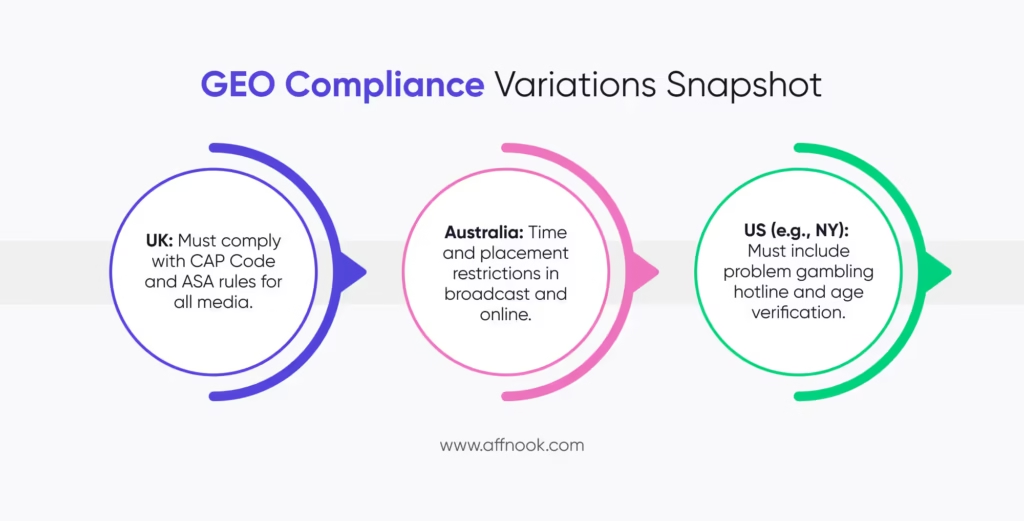
These laws, however, are not consistent. They differ across countries, jurisdictions and even provinces because they are shaped by local considerations. This means sports betting may be legal somewhere, but online casinos may not be.
These markets bring both complexity and opportunity for businesses. Compliance adds trust, but makes it non-negotiable to follow rules — even when they’re varied.
Core Compliance Principles That Apply Across Markets
Truthful Advertising
In regulated betting markets, accurate and truthful claims are a must within advertisements, as per law. Making misleading claims, such as implying consistent profits or portraying gambling as a reliable income source, is simply disallowed.
In many markets, a distinction also needs to be made for games of skill and chance. Marketing messages need to be relayed with the same difference in mind.
Responsible Gambling Messaging
This is mandatory across most regulated betting markets. Disclaimers such as “Play Responsibly” or “Gamble Responsibly” are required along with age-related warnings in every promotion by advertisers.
However, these messages cannot be hidden in plain view. Gambling must be promoted responsibly with a minimum font size and sufficient contrast so viewers are aware of the dangers.
Age-Restricted Advertising
Only adults should be shown ads related to iGaming. While minimum ages may vary by region, the common warning labels (18+ or 21+) must be visible in every single creative or pitch.
On digital platforms, this extends to audience targeting obligations, such as using age-gating tools and excluding underage demographics.
Psychographic attractions like the use of cartoons or imagery appealing to children must be avoided at all costs. Since indirect provocations can also endanger children, enforcement is set up accordingly.
Promotions and Bonus Guidelines
One of the most common zones of breaches in rules comes from online gambling promotions and bonuses. Here’s why: compliance lays down clear requirements on what needs to be mentioned, from caps and expiry dates to game restrictions.
And these terms must be easily understandable, and visible. But online casinos and other businesses may feel restricted, and go against regulation to fulfil targets. Even in regulated betting markets, such instances occur (and lead to penalties) since crowded markets cause advertisers to enforce norms loosely.
From a business perspective too, they are crucial. Bonus abuse is a known problem for advertisers, and following regulatory guidelines (in addition to strong attribution and anti-fraud measures) is one way to reduce this.
Channel-Specific Compliance Considerations
Paid Media
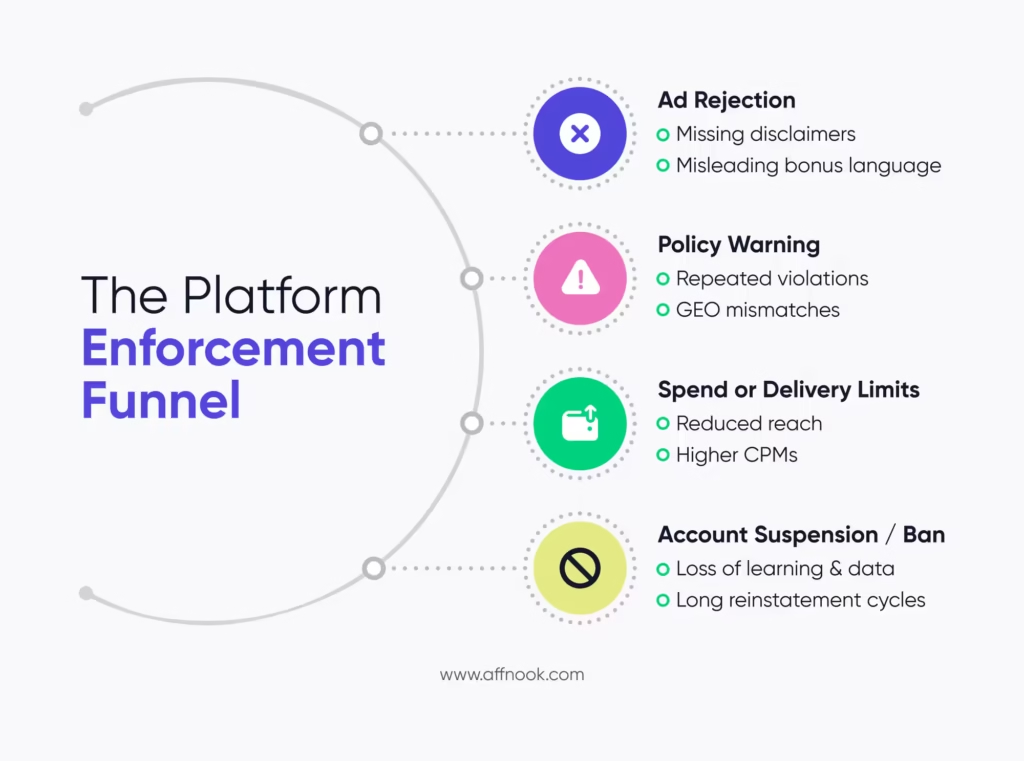
Advertisers must navigate both local gambling laws and platform-specific advertising policies, which may be stricter than regulation itself. Whether you’re running regular campaigns through PPC on Google, or you’re building creative-led ads on Snapchat or Tiktok, the rules vary on each medium.
In some instances, ads may require pre-approval to run or evidence of licensing to be allowed on the platform in the first place. Additionally, multiple violations can lead to an outright ban of the ad account.
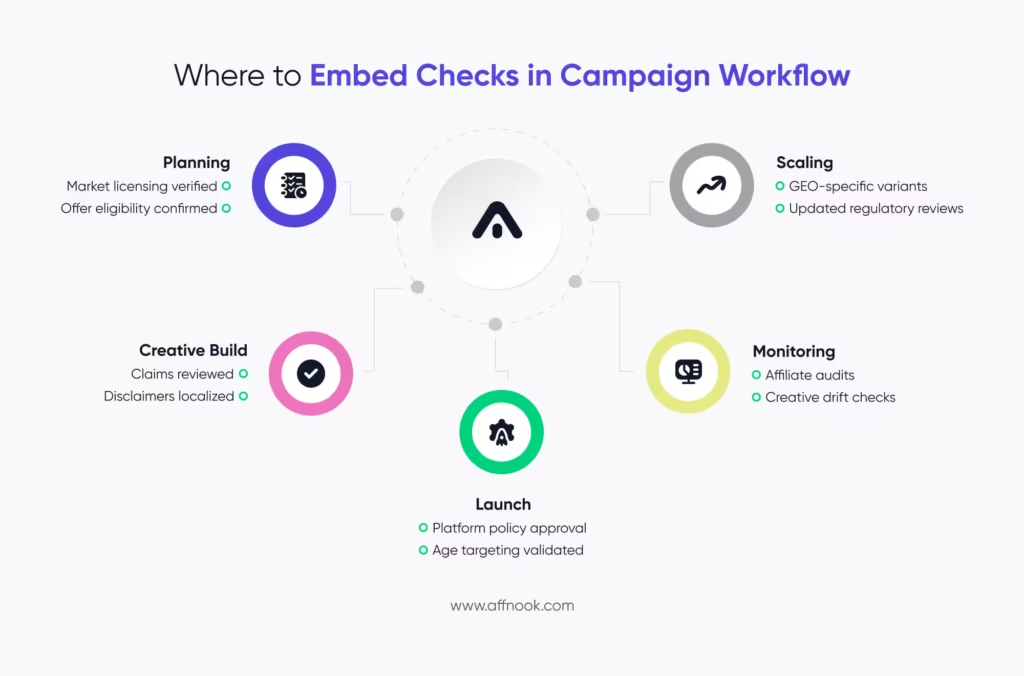
That’s why before you begin planning advertisements (even in the regulated betting markets), a deep understanding of rules and regulations needs to be gathered.
Affiliate Marketing
In many jurisdictions, operators remain legally responsible for the actions of their affiliates. When marketing through this medium, disclosures, accurate bonus information, and responsible gambling messaging remain essential practices.
Since this is primarily driven through third party publishers, monitoring needs to be ongoing for guarantee on compliance. Checks, audits and clauses within contracts are some measures which can be taken.
Geo-specific Variations across Regulated Betting Markets
Localization is one requirement for successful ad running. However, variations of creatives are always going to be required since no two jurisdictions align exactly on norms. Some markets impose strict limits on language, imagery, and promotions, while others allow more flexibility. Even the flexibility offered may vary from one regulated market to another.
However, some common rules exist across all regions. Here’s a gist of them.
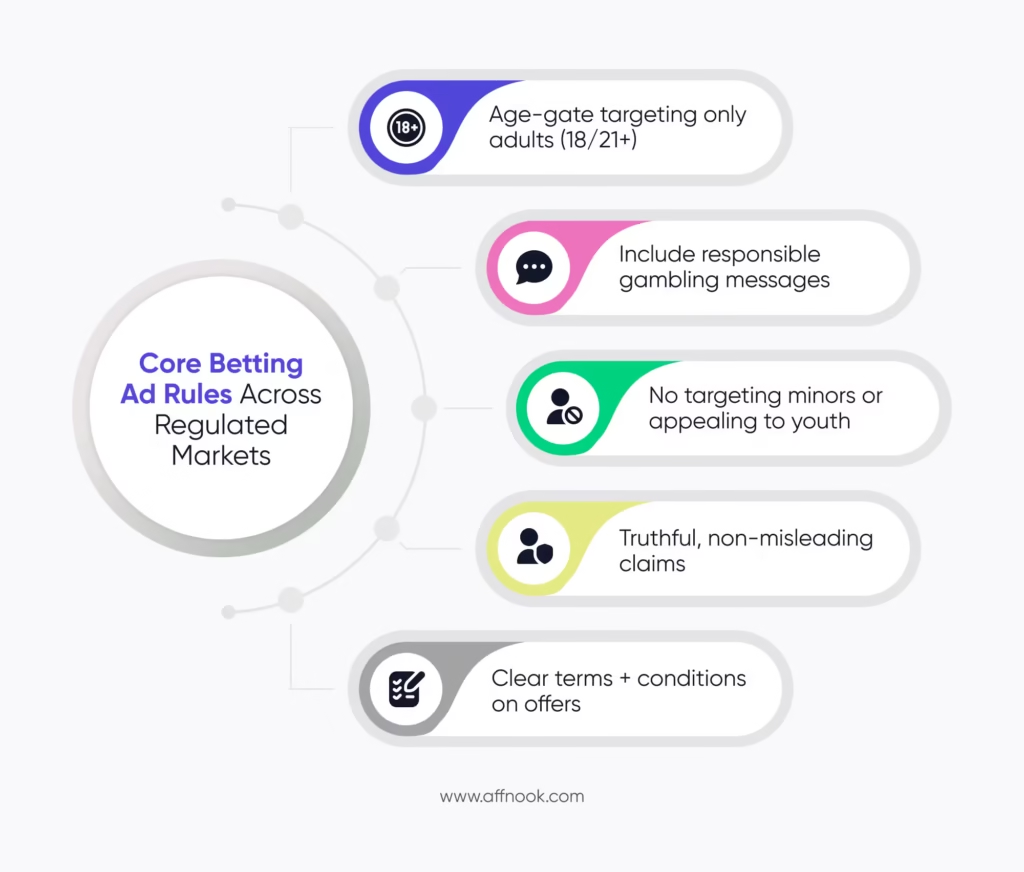
That’s why managing campaigns across multiple licenses often requires segmented structures, with tailored creatives and landing pages per jurisdiction.
Data Privacy
Users are the backbone of the iGaming business. That’s why protecting them (and increasingly their data) is the mandate of regulatory bodies.
At the advertising level, cookie consent, transparent tracking disclosures, and user choice are all vital under usual privacy regulations. As the world becomes increasingly cookieless, advertisers also need to up their tracking and optimization efforts, while respecting user privacy.
Effective consent management ensures performance tracking aligns with legal obligations, protecting both users and operators from regulatory risk.