Online casino advertisers can segment affiliate and paid traffic into four intent clusters — discovery, evaluation, bonus-seeking and play-ready. Each cluster requires a different campaign response, acquisition message and retention trigger. Treating all traffic as uniform is the primary reason iGaming CPA costs are inflated.
The user intent behind visiting a gaming site relies heavily on several variables. Traditional marketing methods dictate viewing users through segments like age, location or psychographic interests. However, if you think about it, clearly the two individuals are different people — who may sync on paper.
Yet, we do not know why they arrived onto your platform, whether they are first-time players or avid gamblers, or whether they care only for casino games (or could be persuaded to try betting too).
There emerges a clear problem when you don’t account for intent. The driving force behind human behaviour is intent. Without it, you can’t know fundamentals like lifetime value or even bonus abuse risk.
In fact, when you can’t catch onto intent, you can’t determine if a depositor is a one-time engager, or whether they could return.
To understand how online casino advertisers can segment based on the intentions of users, let’s look at the variety of intentions users could possess.
Do Users Have Different Intents?
This question can be answered by considering another much simpler question: why is the given person on your online casino app or website?
Obtaining the answer to this question is key to understanding intent. The user could have multiple reasons for making this detour. Consider the following:
- Curiosity
They chanced upon your website and wanted to know more. Or, maybe they were always curious about online gambling and simply happened to get an ad for your platform, leading to the click.
- Comparison
This individual is an occasional casino player but they haven’t been active in a while so they’re looking for a good platform to play on. Or, perhaps, they were previously active in Canada and have recently moved to the UK. That’s why they’re comparing platforms in this market.
- Seeking Bonuses
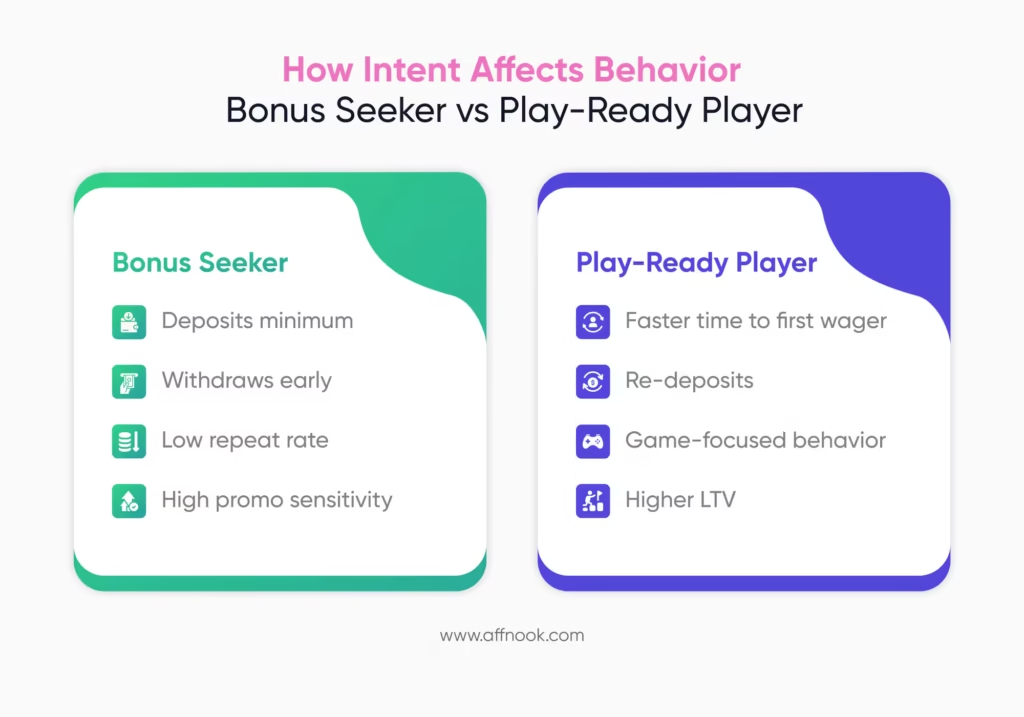
A bonus seeker is obviously here to get their bonus — creating a clear drain on your marketing spend. But how do you suss this intent out?
- Wanting to Play
The player happened to want to play and simply searched. Now they’re on the first platform they could find that matches their preference in terms of currency, regulation or game collection.
But how do you measure this desire or underlying factors leading to action? Let’s understand.
How to Identify User Intent?
Intent is not an alien concept. It is another way of observing a funnel-driven approach. The way user intent is framed, coincides somewhat with existing understandings of funnel-based marketing.
Curiosity or Discovery → Awareness
Users who are exploring online casinos for the first time may end up in this intent phase. They are not necessarily a ‘gambler’ yet. They are only exploring their own interest, which could potentially drive them to try out an online casino for the very first time.
For someone like this, trust signals imbue a higher chance of conversion (i.e. registration to FTD to gameplay). Pushing a bonus or making an offer is going to scare them away.
Instead, having helpful content like beginner’s guides, a ‘what to expect’ or an explanation on compliance standards followed on the platform may be more transformative. The goal here shouldn’t be about pushing for a conversion. Instead, the user at this point, needs to be gently nudged towards the consideration stage, where they go ahead and indulge on their own.
Comparison → Evaluation
Users with this type of intent or stage, are more likely to know what they want — whether it is game preferences, niche selection or even wagering amount. They understand iGaming, and only want to select a platform that matches what they’re looking for.
These users may be returning players who are re-entering the market, switching jurisdictions, or simply looking for a better experience than their current platform offers. The intentions are varied.
They require differentiators: what makes your platform different, or better than others in the market. When they click onto your website, they need that ‘reason to believe’ to make the switch, such as for example, “no wagering free spins,” “UKGC-licensed,” or “instant withdrawals”.
Bonus-seeking or Play Readiness → Transactional or Commercial
When you’re seeking a player who is ready to play or is on the hunt for a bonus, that’s when they’re right at the bottom of the funnel. Herein, intents can overlap, but they’re going to lead in the same direction.
Someone who is clearly seeking a bonus may churn as quickly as they arrive. However, an individual who is “play-ready” is more likely to have an intention towards gambling — which suggests they may stay longer, or keep coming back.
Online casino advertisers must differentiate between these two types of players to ensure they aren’t bleeding budget at the acquisition stage. Signals such as:
- Time-to-deposit
- Bonus page visits
- Wagering frequency
- Repeat deposits
Can filter out the former and help in retaining only the latter.
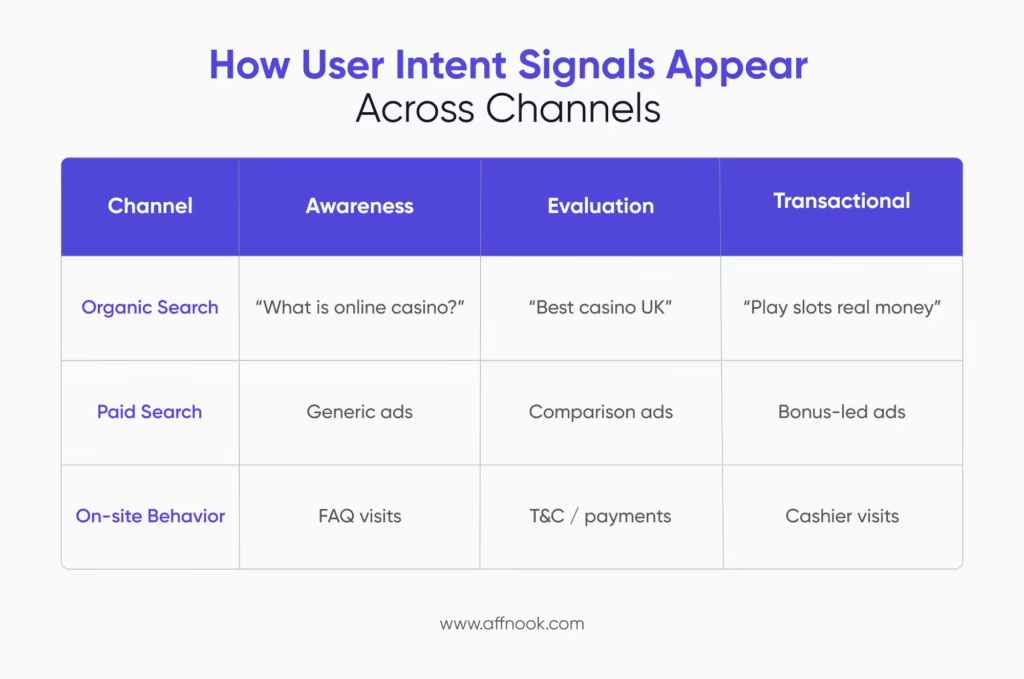
How to Identify User Intent Signals Across Channels
When you consider an idea such as “intention” it is crucial to understand that it is an internal factor. To be able to note intent, casino advertisers must look at more than a single channel.
Organic Marketing
Such channels reveal more about the user, since the activities performed here are user-led. When a user is interested in an element or the overall concept of your business (based on their search), the intention is more present than if they were driven through paid marketing.
Search queries reveal mindset — informational keywords (“how do online casinos work”) indicate awareness, while comparative queries (“best online casino UK”) suggest evaluation.
Their behavior on-site is equally telling. Page depth, content type consumed, return visits, and interaction with bonus terms all suggest user intent in one way or another. Consider someone reading FAQs versus going directly to the sign-up page.
Paid Marketing
This medium may provide less stable intent from users. A well-time visual or a compelling offer may prompt action, even when the underlying user direction may be limited. That’s why high bounce rates, short sessions, or immediate bonus claims without gameplay often emerge from clicks coming through PPC advertising in iGaming.
However, intent can be sussed out through repeated touchpoints. Users who previously browsed games but didn’t deposit show a different intent from those who abandoned registration.
Segmenting can help users nudge players in the right direction, instead of restarting the funnel.
Basis of Segmentation
Intent-based segmentation goes beyond demographics. Instead of grouping by “who”, they get grouped by their reason for being here. The key dimensions online casino advertisers can note are:
- Source or channel of acquisition
- Keyword intent presented at source
- Time to first deposit and deposit patterns
- Bonus interaction and wagering behavior
- Frequency and recency of sessions
When combined, these signals can help predict eventual user behavior by creating actionable intent clusters.
Structuring Campaigns by User Intent
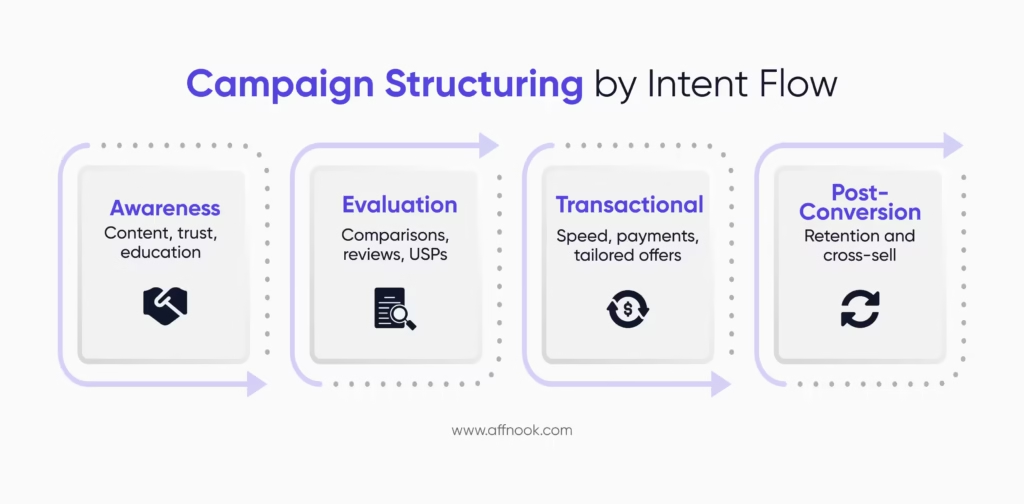
On the basis of identified intent, online gambling campaigns can be aligned. Awareness-prioritizing users benefit from educational content, explanatory organic posting and pressure-free calls to action.
On the other hand, if you’re trying to acquire a user who’s still comparing between alternatives, then focusing on use case differentiators, gameplay experience and testimony from real users may sway the conversion in your favour.
Importantly, intent is dynamic. A user can move from curiosity to readiness within a single session — or regress if friction appears.
Therefore, multiple campaigns can be run at the same time for some A/B testing to understand user intent in different geos, at different points in time.