In iGaming, affiliate marketing is one of the most effective ways to grow your business. It brings new players, high revenue, and helps you to scale without any extra cost.
But it also brings a hidden risk.
As you know, the iGaming industry is very compliance-oriented, but still, there are many iGaming affiliates who are not following the rules and regulations.
Some affiliates use restricted traffic sources, some use misleading creatives, and some even practice fraudulent activities to generate high conversions. These kinds of activities can damage your brand image or create legal consequences for you.
This is why in iGaming, affiliate compliance monitoring is essential.
With the help of real-time compliance, you can track affiliates’ activities anytime. It also allows you to detect any violation activity, you can stop harmful traffic, and you can maintain full control over your affiliate program.
Let’s learn about affiliate compliance monitoring and reporting, and why it is important.
What is Affiliate Compliance Monitoring?
Affiliate compliance monitoring means tracking and reviewing iGaming affiliates’ activities to make sure that they are following your program rules, iGaming brand guidelines, and legal requirements in the industry.
It helps to ensure that affiliates promote your brand properly.
Affiliate compliance monitoring checks various things like:
- From where are affiliates generating traffic
- How do they promote your offers
- Whether affiliates are following the rule or not
- Is the affiliate generating real or fraudulent traffic
- If affiliates target allowed regions
The goal is simple. Make sure affiliates follow the rules and protect your business from risk.
Without affiliate compliance monitoring, it becomes difficult to control affiliate behavior.
Why Real-Time Affiliate Compliance Monitoring is Critical Today
Affiliate programs can grow very fast. You may start with 10 affiliates, but soon you could have 100 or even 1,000 promoting your brand across different channels, countries, and campaigns.
At this scale, it becomes impossible to manually track every affiliate’s activity.
This is where affiliate compliance monitoring becomes essential. It helps you automatically track affiliate behavior, detect violations early, and maintain full control over your affiliate program.
Here is why affiliate compliance monitoring is important.
1. Violations Can Happen Anytime
Affiliate campaigns run continuously. Affiliates can send traffic at any time of the day.
If an affiliate starts using restricted traffic sources or fraudulent methods, the impact can be immediate. Within minutes, they may generate hundreds or thousands of clicks or conversions.
If you detect this too late, you may already have paid for invalid traffic or damaged your campaign performance.
Affiliate compliance monitoring helps you detect suspicious activity in real time. This allows you to block bad traffic quickly and prevent further damage.
2. Protects Your Brand Reputation
Affiliates promote your brand to users. This means their actions directly affect how people see your business.
If an affiliate uses misleading ads, false promises, or spammy promotions, users may lose trust in your brand. Even if your company did nothing wrong, your brand reputation can still be affected.
Affiliate compliance monitoring helps ensure affiliates follow your brand guidelines and use approved messaging. This protects your brand image and maintains user trust.
3. Prevents Financial Loss
For example, affiliates may send fake clicks, bot traffic, or invalid conversions. If you do not detect this, you may end up paying commissions for users who are not real or valuable.
Fraudulent or low-quality traffic can waste your marketing budget.
Affiliate compliance monitoring helps you identify suspicious traffic patterns and stop invalid traffic before payouts are made. This ensures your budget is spent only on genuine performance.
4. Helps You Stay Compliant with Industry Regulations
Many industries, especially iGaming, fintech, and finance, have strict compliance and advertising rules.
Affiliates must follow these rules when promoting your offers. If they violate regulations, your business may face warnings, penalties, or restrictions.
Affiliate compliance monitoring helps you track affiliate activity and ensure all promotions follow regulatory requirements. This reduces compliance risk and keeps your business safe.
What Are the Common Affiliate Compliance Risks
Affiliate programs help you grow faster, but they can also create risks if affiliates do not follow your rules. Some affiliates may send fake traffic or use the wrong promotion methods.
Affiliate compliance monitoring helps you track affiliate activity and detect these issues early. Here are the most common compliance risks businesses face.
Here are the most common affiliate compliance risks businesses face.
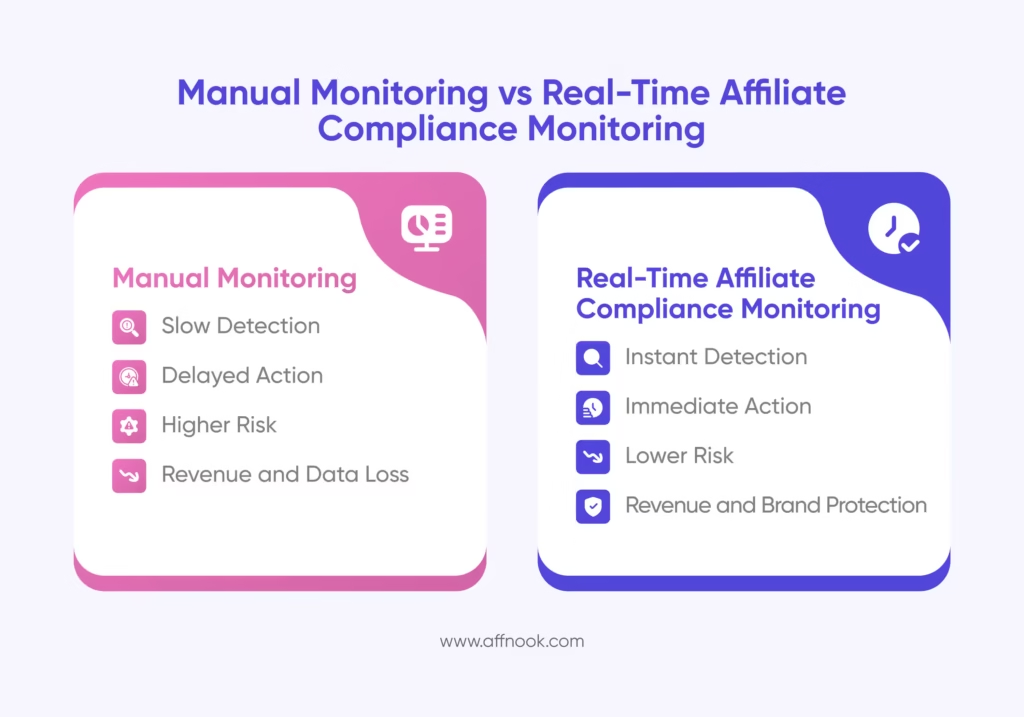
1. Fake or Fraudulent Traffic
In iGaming, some affiliates may try to increase their earnings by sending fake traffic instead of real users. They generate fake traffic through bots, scripts, and with the help of an automated tool.
This traffic looks real in reports, but it does not contribute anything to your business value.
For example, if you are running a campaign and you see a high number of clicks but no real engagement or meaningful conversions, then you have fake traffic.
If this kind of traffic is not detected, then you are paying for the fake user, not the real one.
Affiliate compliance monitoring helps detect unusual traffic patterns, identify bot traffic, and prevent fraudulent affiliates from abusing your program.
2. Unauthorized Traffic Sources
Affiliate programs usually define which traffic sources are allowed and which are restricted. However, some affiliates may still promote your offers using unapproved methods to generate faster results.
This can include:
- Sending spam emails to users
- Running unauthorized paid ads using your brand name
- Promoting your offers on low-quality or prohibited websites
These activities violate your affiliate program rules and can damage your brand reputation.
Affiliate compliance monitoring helps you track where traffic is coming from and ensures affiliates use only approved sources.
3. Promotion in Restricted Countries
As you know, iGaming is not legal in every country, so if affiliates promote your offers in restricted countries, it can create compliance issues for you.
For example, an affiliate may send traffic from a country where your service is not legally allowed.
This can expose your business to regulatory risks and potential penalties.
Affiliate compliance monitoring helps track the geographic location of traffic and ensures affiliates promote your offers only in allowed regions.
4. Misleading or False Promotions
Affiliates are responsible for promoting your brand accurately. However, some affiliates may use misleading messaging to attract more users.
This can include:
- Promising unrealistic rewards or bonuses
- Using false claims
- Providing incorrect information about your offer
This creates confusion for users and damages trust in your brand.
Affiliate compliance monitoring helps you review affiliate promotions and ensure they use correct, approved messaging.
This protects your brand reputation and ensures a better user experience.
Best Practices for Affiliate Compliance Monitoring
The following best practices will help you monitor affiliate activity effectively, detect violations early, and maintain full control over your affiliate program.
Use Real-Time Tracking to Monitor Affiliate Activity
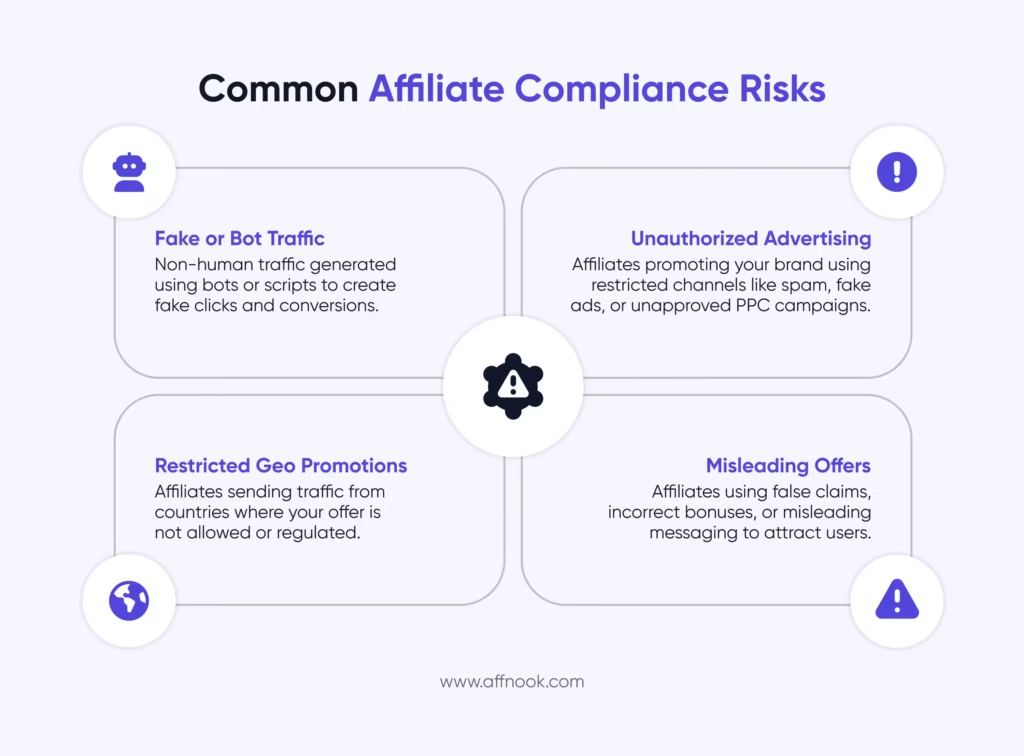
Real-time tracking allows you to monitor affiliate activity as it happens, instead of reviewing data after the damage is already done.
With real-time affiliate compliance monitoring, you can see:
- Which affiliates are sending traffic
- How many clicks and conversions do they generate
- Where the traffic is coming from
- How users interact with your offer
This helps you quickly identify suspicious activity.
For example, if an affiliate suddenly sends a large number of clicks from a new country or an unknown source, you can immediately investigate and take action.
Real-time tracking ensures faster detection of violations and helps protect your campaigns from non-compliant traffic.
Monitor Traffic Quality at a Detailed Level
Monitoring traffic quality helps ensure that affiliates send genuine and compliant users.
Affiliate compliance monitoring allows you to analyze detailed traffic data, such as:
- IP address of the user
- Device type and browser
- Geographic location
- Click timestamp and frequency
- Conversion behavior
This data helps identify suspicious patterns.
For example:
- Multiple clicks coming from the same IP address
- Unusual spikes in conversions within a short time
- Traffic coming from restricted or unauthorized regions
These patterns may indicate fraudulent or non-compliant affiliate activity.
By monitoring traffic quality regularly, you can detect risks early and maintain the integrity of your affiliate program.
Set Automated Rules to Detect and Prevent Violations
Manual monitoring becomes difficult as your affiliate program grows. Automated compliance rules help detect violations instantly and reduce manual effort.
You can create automated rules to:
- Block traffic from restricted countries
- Flag affiliates sending suspicious traffic
- Detect abnormal conversion spikes
- Identify traffic from unauthorized sources
Once a violation is detected, the system can automatically block the traffic or notify your compliance team.
Automation makes affiliate compliance monitoring faster, more accurate, and scalable.
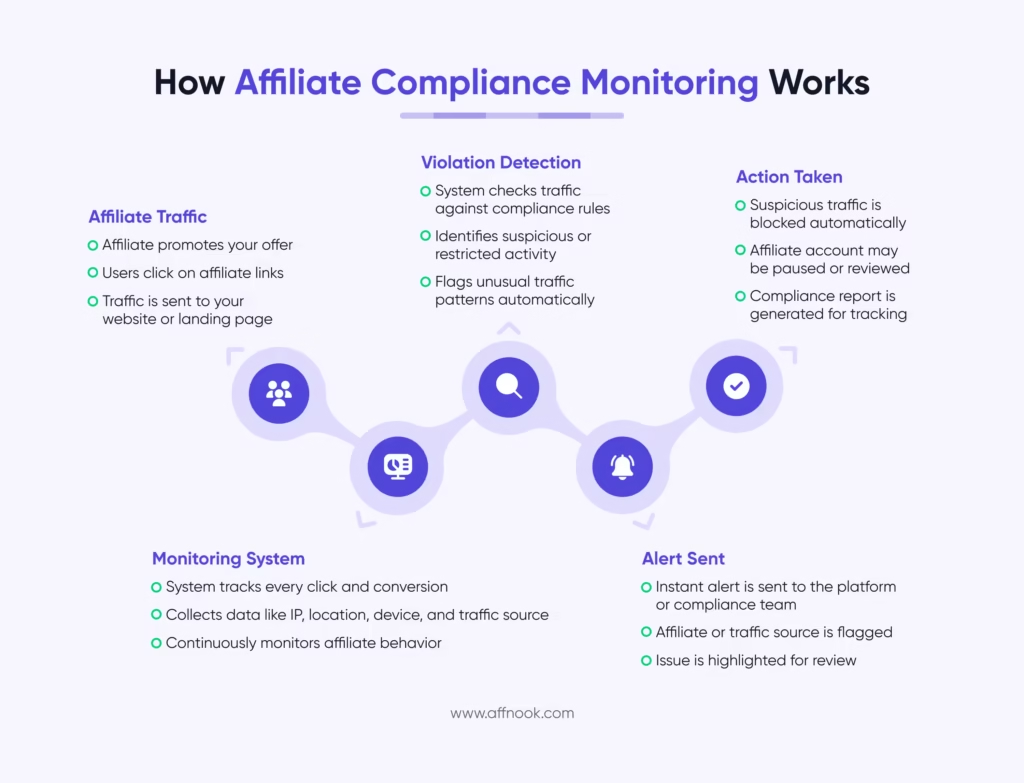
Infographic 2
How Affiliate Compliance Monitoring Works?
Affiliate compliance monitoring is the process of ensuring that affiliates promote your brand ethically, legally, and in line with your program rules. It is especially critical in iGaming, where regulatory requirements are strict, and violations can lead to heavy penalties.
Conclusion
Affiliate marketing is a powerful growth channel, but it also requires proper compliance monitoring.
Affiliate compliance monitoring helps you detect violations early, prevent fraud, and protect your brand and budget.
By using real-time tracking, automated rules, and compliance monitoring tools like Affnook, you can build a secure and scalable affiliate program.
As affiliate programs grow, compliance monitoring will remain essential for long-term success.
Help Section
What is affiliate compliance monitoring?
Affiliate compliance monitoring is the process of tracking and reviewing affiliate activities to ensure they follow program rules, brand guidelines, and legal regulations. It helps businesses prevent fraud, maintain quality traffic, and protect their brand reputation.
Why is affiliate compliance monitoring important in iGaming?
In iGaming, strict regulations make compliance critical. Affiliate compliance monitoring helps detect violations, prevent fraudulent traffic, and ensure affiliates promote offers legally. This reduces the risk of penalties and protects both revenue and brand image.
How does real-time affiliate compliance monitoring work?
Real-time affiliate compliance monitoring tracks affiliate activity instantly. It analyzes traffic sources, user behavior, and conversion patterns to detect suspicious activity. If any violation is found, businesses can take immediate action, such as blocking traffic or pausing affiliates.
What are the common risks without affiliate compliance monitoring?
Without affiliate compliance monitoring, businesses may face issues like fake traffic, misleading promotions, unauthorized traffic sources, and targeting restricted regions. These risks can lead to financial loss, compliance violations, and damage to brand reputation.
What tools are used for affiliate compliance monitoring?
Affiliate compliance monitoring tools include tracking platforms, fraud detection systems, and automated rule engines. These tools help monitor traffic quality, detect violations, generate reports, and ensure affiliates follow program guidelines efficiently