Application programming interface, also known as API integration in iGaming, serves the purpose of easing the communication between systems, platforms, and services. It connects gaming operators with third-party vendors, payment systems, and analytics tools so that the users do not have to keep switching between platforms and are provided with a more effective and unified system.
API Integration may seem simple in definition. But connecting the iGaming platform with the affiliate management system through the iGaming API is consequential, whether it goes correctly or not.
- Get it right, and every click, registration, deposit, and conversion flows easily into your reporting.
- Get it wrong and end up chasing the data that might not even exist, dispute commissions, and rebuild the relationship with affiliates that is now strained.
Hence, in order to avoid getting it wrong, it is important to know what to keep a check on when an API integration is being set for gambling platforms.
Why API Integrations Matter for Gambling Platforms
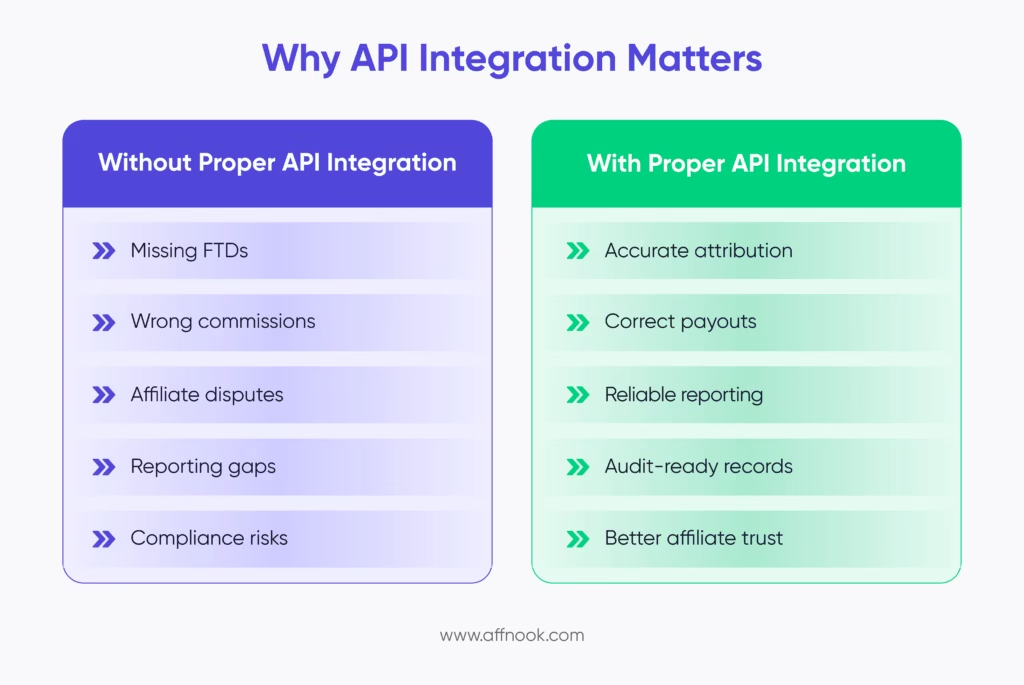
In iGaming affiliate marketing, API integration becomes the single source of truth to make commission calculations possible. All the necessities that the affiliates are owed money for, that is, every FTD, every NGR, every CPA event detail passes through the connection.
If the data is incomplete, delayed, or misattributed, the operator ends up either overpaying partners or underpaying them. Both outcomes damage your program.
The regulatory dimension is also necessary here. Gambling platforms are expected to operate under licensing obligations. These rules can only be abided by if the data of the player activity is accurate and auditable. APIs that are not integrated properly cause gaps in the audit trails and can also lead to compliance-related issues.
Must-Haves Before Writing Code
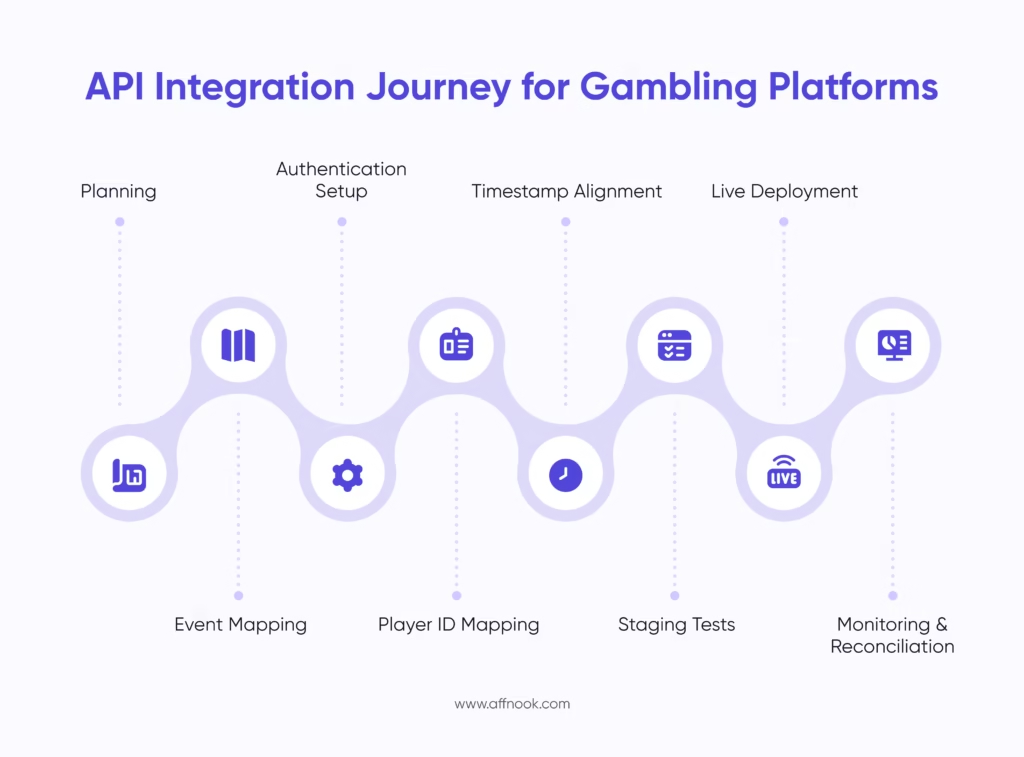
Map Every Conversion Beforehand
It is important to coordinate with the affiliate manager about everything that needs to be tracked. This includes –
- Click
- Registration
- FTD
- Subsequent deposit
- Bet
- Reversal
- Chargeback
For all the events, confirm the exact field names, data types, and whether fields are mandatory.
For instance, a registration without the country code might get accepted but the effects of its absence will be reflected weeks later in the reporting gaps.
Confirm the Authentication Method
Make sure to understand if the platform utilizes API integration authentication, OAuth 2.0, or token-based auth. If a token is being used, understand how token expiry must be handled. An unhandled authentication failure leaves no scope for error investigation.
Define the Means of Players’ Unique Identification
Every player needs a stable external ID that travels across sessions. In iGaming, the same player may register through one affiliate’s link and make their first time deposit a few days later in a different session. If IDs change or duplicate, attribution becomes difficult.
Align on Timestamps
Ensure that the system sends timestamps in the same format as the timezone the platform stores the data in.
Must-Haves for API Integration
Test End-to-End in Staging
The full event cycle from a click to registration to deposits must be tested in a simulation format. The purpose of this is to confirm that all the events appear in the affiliate dashboard with correct attribution, value and time stamp before live users start engaging with the gambling platform through affiliate campaigns.
Test for Duplicate Event Handling
Network glitches can cause duplicate events when servers retry sending data. Hence, it is necessary to confirm that the platform removes duplicates through deduplication logic and will not keep retrying once a request succeeds.
Validate Postback URLs Before Going Live
Confirm that the URL is –
- Correctly formed and formatted
- Reachable from the server
- Uses HTTPs
- Contains correct macros for every event type
A postback that fires but never arrives is similar to a conversion that never happened.
Check How Reversals Flow Through the API
Reversals are like a routine in iGaming. These could be chargebacks, fraud flags or bonus abuse. Ensure that the integration can send those reversal events, and the platform is able to confirm negative carryover. Confirm that the reversed commissions appear correctly in the affiliate reports.
If reversals cannot flow through the API, they will have to be managed manually at a scale that becomes unsustainable sooner or later.
API Integration Checklist After Going Live
Monitor Event Volume in Real Time
A sudden conversion event drop in the reports is not because the conversions actually stopped. It is mostly a signal that there is a glitch in the integration setup. Without having monitoring on the platform’s side, the operator may not discover the gap until a dispute is raised by the iGaming affiliates. By then, days of data is already missing.
Reconcile the Data Weekly for the First 30 Days
The internal CRM and affiliate platform’s dashboard should show the same data. Compare the information like –
- Total registrations attributed
- FTDs recorded
- Payout figures calculated
Discrepancies caught at week one require a minor fix. Discrepancies surfaced three months later during a commission dispute that deserves more attention.
Document Everything Before Launch
Keep a note of everything –
- Event map
- Postback URLs
- Authentication process
- Escalation contracts
Gambling affiliate programs outlast the people who set them up. A technical lead may move on, it is then the documentation that becomes the point of reference for the next person, and they will not have to start from scratch.
To Conclude
An API integration is a part of the infrastructure itself, it is not a mere one-time project.
Every commission that the operator pays, or the report the affiliates rely on, or even the optimisation decisions that the team makes, everything depends on the integrity of the API integration between the platform and the affiliate management system.
This checklist ensures that the failure modes are known, tested for, and handled before the affiliates catch them. This is because in iGaming, data trust is partner trust