Growing an iGaming brand in 2026 is not just about launching new offers or increasing ad spend. It is about earning visibility in places where players already look for answers.
Paid ads are becoming more restricted. Affiliate costs continue to rise. Regulations are changing faster than most marketing teams can adapt. At the same time, players are doing more research before signing up, depositing, or choosing a betting platform.
This shift is happening as the industry itself continues to expand rapidly. The global online gambling market was estimated at USD 87,719.2 million in 2025 and is projected to reach USD 217,655.4 million by 2033, growing at a CAGR of 12.1% from 2026 to 2033, highlighting the rapid growth of the industry and the increasing competition for player attention.
This is exactly why iGaming SEO has become one of the most reliable growth channels for brands.
SEO gives iGaming brands something other channels cannot:
- Consistent traffic without paying for every click
- Better control over brand messaging
- Long-term player acquisition instead of short-term spikes
This guide explains how iGaming SEO works in 2026, what has changed, and how brands can build an SEO strategy that actually lasts.
What does iGaming SEO mean?
iGaming SEO is the practice of optimizing gambling-related websites so they appear organically in search results when users look for casinos, sportsbooks, betting guides, or related information.
This includes SEO for:
- Online casino brands
- Sports betting platforms
- Poker and fantasy sports sites
- Brand-owned content hubs and guides
In 2026, iGaming SEO is no longer about stuffing keywords or publishing thin content. Search engines now prioritize:
- Trust
- Clarity
- User experience
- Market relevance
For brands, this means SEO must be structured, compliant, and genuinely useful.
How iGaming SEO is Different From Regular SEO?
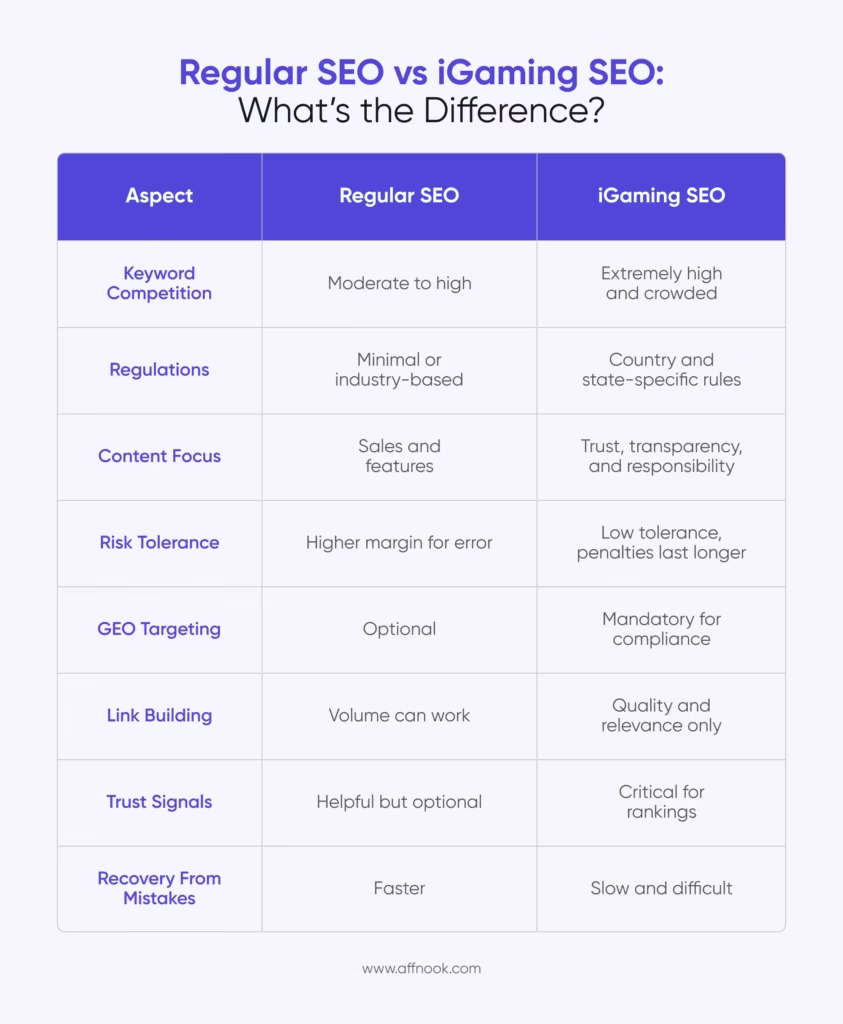
iGaming SEO is more complex because it operates in a highly competitive and tightly regulated environment. Gambling keywords attract intense competition, making rankings harder to achieve and maintain.
Regulations also vary by country and state, so SEO iGaming strategies must be localized and compliant. On top of that, trust matters more than aggressive optimization. Search engines closely evaluate gambling content for transparency and responsibility.
Unlike e-commerce or SaaS, iGaming SEO requires brands to balance visibility with long-term trust, as poor SEO decisions can impact performance for years.
Understanding iGaming SEO From a Global View
One of the most common mistakes iGaming brands make is applying the same SEO strategy across all regions. Search behavior, intent, and expectations change significantly from market to market.
Key regional differences include:
- Europe: Users often search for licensing details, payment methods, and platform credibility before signing up.
- United States: Searches are highly state-specific and closely tied to legality and regulatory approval.
- LATAM: Markets are mobile-first and require more educational content to build player confidence.
- Emerging markets: Users rely more on informational searches before moving toward transactional intent.
A strong iGaming SEO strategy adapts content, keywords, and structure based on how users search in each market, not just what they search for.
Setting the Right SEO Foundation for iGaming Brands
Before creating content or targeting keywords, iGaming brands need a clear SEO foundation. Without this, even well-executed SEO efforts can attract the wrong traffic or create compliance risks.
A strong foundation starts with clarity on a few key questions:
- Which markets are legally active today?
SEO should only target regions where the brand can operate and convert players safely. - Which regions are planned for future entry?
Preparing content early can support smoother market expansion later. - Are we targeting brand traffic, non-brand traffic, or both?
Brand searches support trust, while non-brand searches drive new user acquisition. - What type of player do we want SEO to attract?
High-value, long-term players require different content than bonus-driven users.
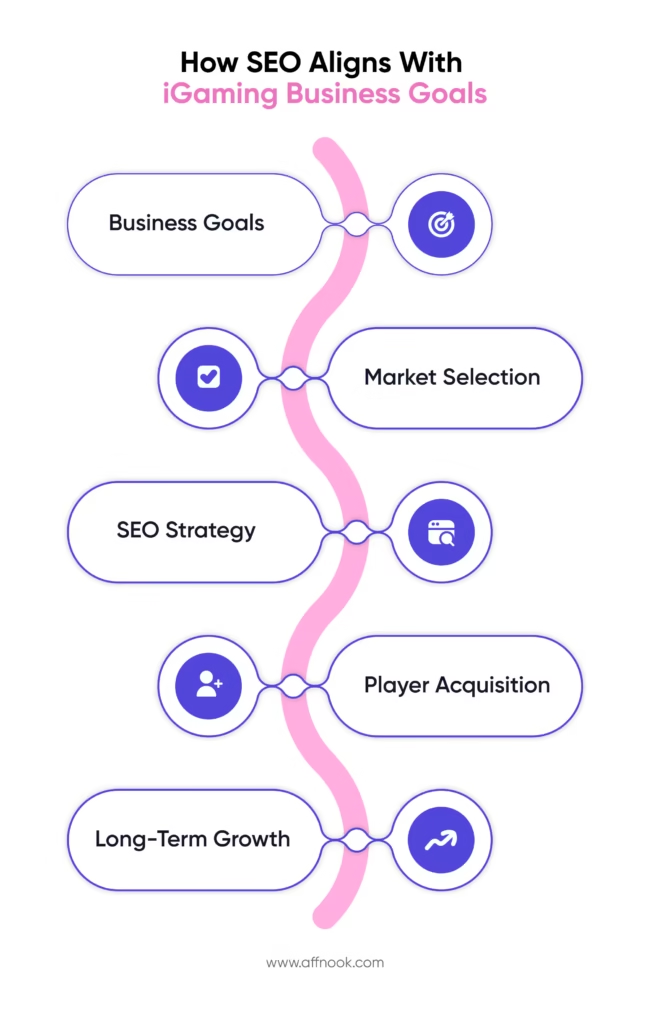
SEO delivers the best results when it is closely aligned with business goals and market strategy, rather than running as a standalone marketing activity.
How iGaming Brands Should Approach Keyword Research
Keyword research in iGaming SEO is about attracting the right players, not just more traffic. The goal is to rank for searches that lead to real sign-ups, deposits, and long-term value.
Instead of chasing high-volume keywords, brands should focus on search intent and player readiness.
Keyword Types That Matter for iGaming Brands
- High-intent keywords: Searches like best online casino in [country] or legal sportsbook in [state] come from users actively looking to register and play. These keywords directly support player acquisition.
- Comparison-driven keywords: Terms such as sportsbook bonuses or casino bonus comparison attract users who are close to making a decision. Ranking here allows brands to influence the final choice.
- Educational keywords: Queries like how betting odds work or types of casino games help brands build trust early in the player journey and guide users toward conversion over time.
- Brand and product keywords: These searches indicate existing awareness and typically convert at a higher rate. Protecting and expanding brand visibility here is essential.
For iGaming brands, effective keyword research means aligning search demand with business goals, ensuring that SEO attracts players who are likely to stay, deposit, and generate long-term value.
How to Structure Keywords Across an iGaming Website
For iGaming brands, every page should have a single, clear purpose. When keywords are structured properly across the website, search engines understand what each page is meant to rank for, and players find the right information faster.
A simple and effective structure looks like this:
- Homepage: Focuses on brand authority, trust signals, and core value propositions rather than aggressive keyword targeting.
- Market pages: Target country- or state-level searches, including legality, localized offers, payment methods, and regional relevance.
- Bonus pages: Focus on promotions, welcome offers, and bonus-related keywords that attract high-intent users.
- Guides and blog content: Target educational and informational searches that help users understand betting, games, and platform features.
This structure prevents keyword overlap, strengthens topical relevance, and supports stable long-term rankings for iGaming SEO.
How Content Clusters Help iGaming Brands Build Authority
Instead of publishing isolated articles, iGaming brands should focus on building content clusters. This approach groups related content together and creates a clear structure that both users and search engines can understand.
A content cluster usually consists of:
- One main topic page that covers the subject in depth
- Several supporting pages that explore specific subtopics and link back to the main page
Example of a Content Cluster in iGaming SEO
Main page: Online Sports Betting Guide
Supporting pages:
- Payment methods
- Betting odds explained
- Mobile betting apps
- Responsible gambling
This structure helps search engines recognize that your brand has strong expertise in a specific area, improving rankings while also giving players a clearer, more helpful learning experience.
On-Page SEO Basics iGaming Brands Still Need to Get Right
On-page SEO is not complex, but in iGaming, it has to be done consistently across the website. Small gaps in structure or clarity can weaken trust and affect rankings.
Key on-page elements to focus on include:
- Clear page titles that reflect the real intent of the page
- Simple and readable headings that guide users through the content
- Natural use of iGaming SEO keywords without forcing them into every paragraph
- Transparent bonus terms so users clearly understand offers
- Clear calls to action that encourage the next step without being pushy
Strong on-page SEO helps search engines understand your pages better and gives players the confidence to convert.
Why Technical SEO is the Backbone of iGaming SEO?
Technical SEO forms the foundation of every successful iGaming SEO strategy. Even the best content will struggle if search engines cannot properly crawl, index, or understand your website.
For iGaming brands, technical SEO ensures that pages load quickly, work smoothly across devices, and remain accessible to both users and search engines.
Key technical areas to focus on include:
- Fast loading speed to reduce bounce rates and improve user experience
- Mobile-friendly design, as most iGaming traffic comes from mobile devices
- Clean URL structure that is easy to read and crawl
- Secure browsing (HTTPS) to build trust and protect user data
- Proper indexing so that important pages are visible in search results
Technical issues often go unnoticed, but they can silently block SEO growth even when content and keywords are strong.
Why GEO Targeting Matters in iGaming SEO?
Once the technical foundation is in place, the next critical step is GEO targeting.
iGaming operates under strict regulations that vary by:
- Country
- State
- In some cases, city-level laws
This means SEO cannot be generic. Your website must clearly reflect where your brand is legally allowed to operate and what users in each region expect to see.
How to Do GEO SEO in the Right Way?
Effective GEO-focused iGaming SEO is about localization, not duplication. Each market should feel purpose-built rather than copied from another region.
Best practices include:
- Creating dedicated pages for each market with clear local relevance
- Localizing content instead of reusing the same copy across regions
- Matching offers and messaging with legal requirements
- Using the correct language, currency, and payment methods
GEO-focused SEO improves rankings, builds player trust, and reduces compliance risks at the same time.
How Does Link Building Work for iGaming SEO in 2026?
Link building is still an important part of iGaming SEO, but the way brands approach it has changed. Aggressive or low-quality tactics may deliver short-term gains, but they often damage credibility and lead to unstable rankings.
In 2026, effective link building focuses on quality and relevance, including:
- Brand mentions on trusted websites that strengthen authority
- Industry placements within iGaming and closely related sectors
- Digital PR campaigns that earn natural coverage
- Thought leadership content that attracts organic links over time
For iGaming brands, link building should support long-term trust and authority, not just quick ranking improvements.
How to Build an SEO-Friendly iGaming Website?
SEO works best when it is considered during the website planning stage, not added after launch. A well-structured website makes iGaming SEO easier to manage, safer from a compliance perspective, and more scalable as the brand grows.
An SEO-friendly iGaming website usually includes:
- Simple and intuitive navigation that helps users find information easily
- Clear content categories aligned with search intent
- Logical internal linking between related pages
- Scalable content sections that support future market expansion
This structure helps search engines understand your website and allows brands to grow into new regions without rebuilding their entire SEO setup.
How to Keep iGaming SEO Strong Over Time?
SEO is not a one-time project. It requires regular attention to remain effective in a competitive and heavily regulated environment.
Ongoing SEO maintenance typically involves:
- Updating outdated content to keep it accurate and compliant
- Monitoring rankings by market or region
- Reviewing regulatory changes that may affect targeting or messaging
- Improving low-performing pages using performance data and user behavior
Brands that treat SEO as an ongoing process rather than a one-off task see more stable rankings, better player quality, and sustainable long-term growth.
How to Measure iGaming SEO Success
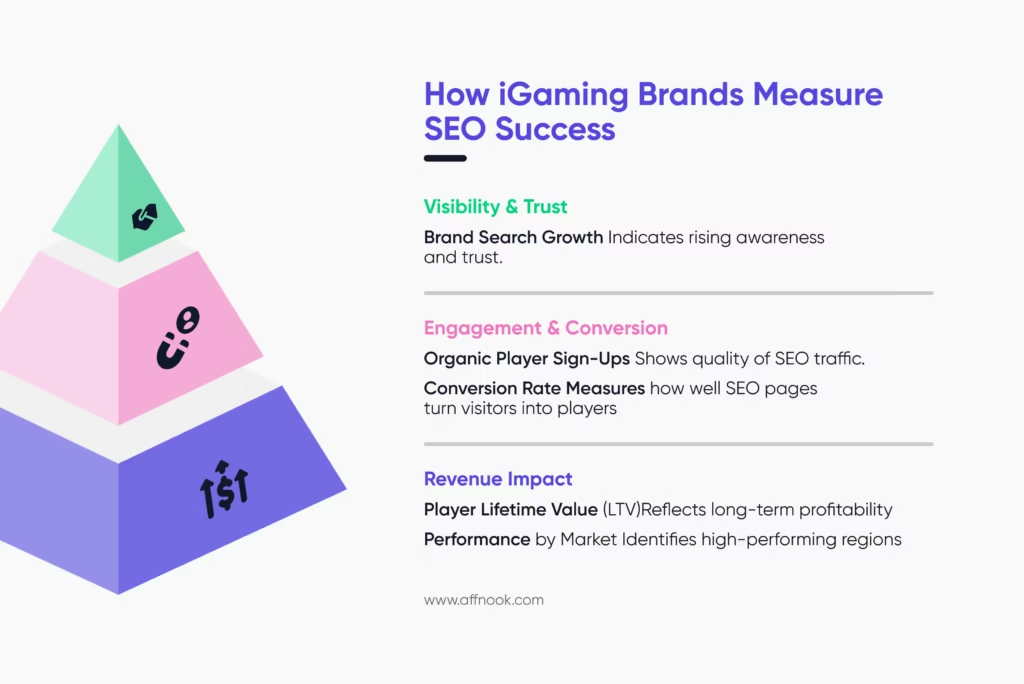
In iGaming, rankings alone do not define success. Visibility is important, but what truly matters is how organic traffic contributes to real business outcomes.
Stronger SEO performance is measured through metrics such as:
- Organic player sign-ups that come directly from search traffic
- Conversion rates from key SEO landing pages
- Player lifetime value, not just first-time deposits
- Growth in brand searches, which reflects rising trust and awareness
- Performance by market, helping brands understand which regions deliver the most value
Effective iGaming SEO should always support revenue growth and player quality, rather than focusing on vanity metrics like keyword positions alone.
Common SEO Mistakes iGaming Brands Should Avoid
Many iGaming brands struggle with SEO, not because they lack strategy, but because they repeat the same avoidable mistakes.
Some of the most common issues include:
- Depending entirely on iGaming affiliates and neglecting brand-owned organic visibility
- Publishing thin or repetitive content that adds little value for players
- Ignoring GEO-level differences in legality, language, and search behavior
- Chasing high-volume keywords instead of focusing on player intent
- Using risky link-building tactics that can harm long-term trust
Avoiding these mistakes often leads to faster and more stable SEO improvements than constantly adding new tactics.
Conclusion
In 2026, iGaming SEO is no longer just about rankings. It is a long-term growth channel that helps brands build visibility, trust, and direct player relationships in a highly regulated and competitive market.
Successful iGaming SEO combines global market understanding, intent-driven keywords, strong content structure, technical stability, GEO targeting, and authority-led link building. Just as importantly, it requires ongoing upkeep as regulations and search behavior continue to change.
Brands that treat SEO as a strategic asset, not a one-time effort, gain sustainable growth, lower acquisition costs, and greater control over their player funnel in 2026 and beyond.
Help Centre
1. What is iGaming SEO in 2026?
iGaming SEO refers to the process of optimizing gambling-related websites, so they appear organically in search results when users look for casinos, sportsbooks, or betting information. In 2026, the focus is on trust, compliance, and user intent rather than aggressive tactics.
2. Why is organic search important for iGaming brands?
Organic search allows brands to attract high-intent players without paying for every click. A well-executed iGaming SEO strategy helps reduce acquisition costs while building long-term brand visibility and trust.
3. How is SEO for gambling websites different from other industries?
SEO for gambling websites is more complex due to high competition and strict regulations. It requires localized content, strong trust signals, and careful compliance to maintain stable performance over time.
4. How long does it take to see results from iGaming SEO?
Results usually take time. Most brands begin to see early improvements within a few months, while consistent growth from SEO efforts often takes 6 to 12 months, depending on market competition and strategy execution.
5. What challenges do brands face when scaling SEO in regulated markets?
Brands often struggle with changing regulations, geo-targeting, and maintaining content accuracy across regions. A structured iGaming SEO approach helps manage these challenges while supporting sustainable growth.